Chapter 3
Strengthening Europe’s defence and security

 View photo caption
The past few years have been a stark reminder of how fragile peace is, and a wake-up call for Europe. The European Union is stepping up its efforts to protect citizens and ensure that Europe has the means to maintain peace through credible deterrence. In 2025, the EU launched a set of new initiatives to help Member States respond to the short-term urgency of supporting Ukraine while also addressing the pressing long-term need to boost Europe’s security and defence readiness. In parallel, the EU set out a new Preparedness Union Strategy.
Europeans’ views on security and defence

69 %
agree that the EU is a place of stability in a troubled world.

78 %
are concerned about the EU’s defence and security over the next five years.

81 %
support a common defence and security policy among Member States.

77 %
agree that Russia’s invasion of Ukraine is a threat to the security of the EU.
Source: European Commission, Standard Eurobarometer 103 – open a new tab., May 2025.
The EU’s ambition is to enhance Member States’ cooperation in defence and leverage the added value offered by the EU and the Single Market in order to build a true defence union. NATO continues to be a cornerstone of European security and defence, with 23 Member States also being NATO allies. However, the EU is assuming more responsibility for its own security, and took major steps in this direction during 2025.
The EU also concluded two key security and defence partnerships – open a new tab. in 2025, with Canada and the United Kingdom, thereby demonstrating a shared commitment to strengthening global peace and security and bolstering joint efforts in areas such as crisis management, cyber issues, maritime security, counterterrorism and the resilience of critical infrastructure.
Stepping up investment in defence
The EU decisively stepped up investment in defence in 2025 through Readiness 2030 – open a new tab., a comprehensive plan to mobilise up to €800 billion for security and defence via two core pillars: the SAFE (Security Action for Europe) instrument and the new National Escape Clause provision. SAFE will provide up to €150 billion in loans to support joint defence procurement and reinforce Europe’s industrial and operational readiness, while the National Escape Clause will allow Member States to mobilise an additional €650 billion in defence investment without breaching EU fiscal rules under the Stability and Growth Pact – open a new tab..
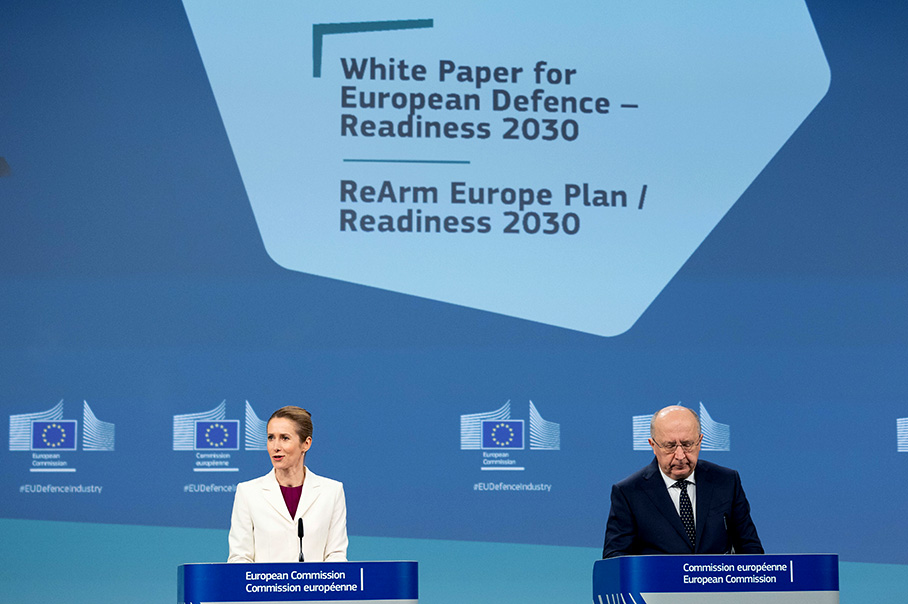
Further investments include over €1 billion for collaborative defence research and development under the European Defence Fund – open a new tab., covering all military domains, and €300 million under the European Defence Industry Reinforcement through Common Procurement Act – open a new tab. to support five cross-border projects in areas such as ammunition, air and missile defence, and legacy platforms. The Defence Industry Transformation Roadmap – open a new tab. aims to improve access to finance for defence companies through a fund of funds of up to €1 billion; speed up time to market and procurement, particularly for start-ups and scale-ups; and strengthen skills and talent development across the defence sector.
Alongside this, the Commission proposed boosting the defence and space budget to €131 billion – open a new tab. within the European Competitiveness Fund under the EU’s next long-term budget (see Chapter 8) – a fivefold increase compared to the current budget. In parallel, the EU is advancing an ambitious simplification agenda to accelerate defence-capability development and investment. Key measures in 2025 included proposals to streamline defence investment rules – open a new tab.; the Defence Readiness Omnibus – open a new tab., published in June to simplify EU legislation and enable up to €800 billion in investment over the next four years; and the Defence Readiness Roadmap – open a new tab., which sets clear objectives, milestones and indicators for achieving readiness by 2030 while highlighting the importance of dual-use research and innovation, as set out in the White Paper for European defence – open a new tab.. These measures are complemented by the military mobility package – open a new tab..

Enhancing security in the skies and oceans
As space and satellites play an increasingly strategic role our daily life, a proposal for an EU space act – open a new tab. was adopted in June. Its aim is to establish a harmonised, unified regulatory framework for space activities within the EU, with the primary objective of enhancing safety, sustainability, cybersecurity and resilience across the entire EU space ecosystem. Along with this development, the Vision for the European Space Economy – open a new tab. set out a strategic framework to boost Europe’s competitiveness, resilience and strategic autonomy in the global space market, which is expected to be worth €1.6 trillion by 2035.
In a world first, the Galileo Open Service Navigation Message Authentication – open a new tab. function was declared operational in July 2025. It introduces a mechanism to verify the authenticity of navigation data transmitted from Galileo satellites, helping protect against spoofing (the transmission of false signals), and significantly enhances trust in the EU’s Galileo satellite system, the only system in the world with this security feature. The International Air Transport Association’s 2024 safety report recorded a 500 % increase in commercial aviation spoofing incidents, with 1 500 flights per day affected. The Earth Observation Governmental Service was also announced in November, and will improve reconnaissance capabilities.
Security in the oceans and seas was also a key topic the EU acted upon in 2025, with the EU Action Plan on Cable Security – open a new tab. adopted in February. During the year, a landmark report on cable infrastructure was published – open a new tab., alongside the provision of new funding worth €20 million to strengthen the security of Europe’s submarine cables – open a new tab.. This funding, under the Digital Europe Programme – open a new tab., will support the creation of regional cable hubs and stress-testing of the resilience of undersea cable infrastructure.
Building on the recommendations of the Niinistö report – open a new tab., in 2025 the High Representative and the Commission put forward a Preparedness Union Strategy – open a new tab. with 30 key actions focusing on enhancing the EU’s readiness and resilience in the face of future crises. The aim is to bolster its collective capacity to effectively manage challenges such as pandemics, the impact of climate change, hybrid threats and geopolitical instability. This will involve all levels of government (local, regional, national and EU), along with citizens, local communities and civil society, businesses and social partners, and the scientific and academic communities.
The EU Stockpiling Strategy – open a new tab. will introduce the EU’s first comprehensive approach to safeguarding essential goods such as food, water, fuel and medicines in times of crisis. Alongside it, the Medical Countermeasures Strategy will strengthen Europe’s health security by accelerating the development, production and accessibility of vital medical equipment. The proposed critical medicines act – open a new tab. will also improve the availability of critical medicines in the EU by incentivising supply-chain diversification and boosting pharmaceutical manufacturing in the EU. Finally, as part of the EU’s broader framework on preparedness and crisis management, the Commission advanced two flagship initiatives – the European Water Resilience Strategy – open a new tab. and the European Ocean Pact – open a new tab., both adopted in June – to strengthen the EU’s capacity to anticipate, prevent and respond to growing environmental and climate-related risks.
Main risks and threats
- Natural disasters:
floods, wildfires, earthquakes, extreme weather events. - Human-induced disasters:
industrial accidents, technological failures, pandemics. - Hybrid threats:
cyberattacks, disinformation campaigns, foreign information manipulation and interference, sabotage of critical infrastructure. - Geopolitical crises:
armed conflicts, including armed aggression against Member States.
For more information, see the Commission’s comprehensive Analysis of Risks Europe is Facing – open a new tab..
Operating 24 hours a day, seven days a week, the Emergency Response Coordination Centre – open a new tab. ensures the rapid deployment of emergency support and acts as a coordination hub for the Member States, 10 additional participating states, the affected country, and civil protection and humanitarian aid experts. In 2025, there were 64 activations of the EU Civil Protection Mechanism around the world – open a new tab., while overall, since 2001, the centre has coordinated assistance more than 830 times.
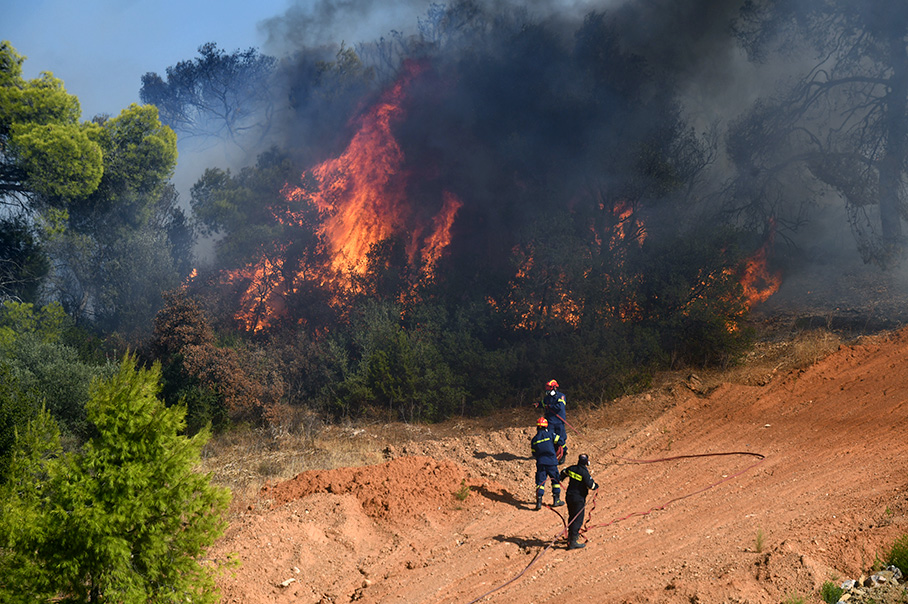
2025 climate emergency action in figures

The EU Civil Protection Mechanism was activated 18 times to fight wildfires in Europe and beyond – the most activations ever recorded for wildfires in any given year.

58 aircraft – 38 planes and 20 helicopters – and more than 740 firefighters and rescuers were deployed over the summer to fight forest fires in 11 Member States.

A proposal was made to allocate €280 million from the Solidarity Fund to support recovery efforts in Austria, Bosnia and Herzegovina, Czechia, Moldova, Poland and Slovakia following the 2024 floods caused by Storm Boris.

650 firefighters from 14 Member States were positioned in high-risk locations in Greece, Spain, France and Portugal to prepare – open a new tab. for the summer.

An advance of €100 million was provided from the EU Solidarity Fund – open a new tab. to help Spain finance its recovery efforts following the storm that caused catastrophic flooding in Valencia in 2024.
To address increasing security and hybrid threats such as terrorism, organised crime, cybercrime and attacks on critical infrastructure, the EU needs a new approach to its internal security, border control and migration management. EU support in these areas aims to help Member States implement the Pact on Migration and Asylum – open a new tab., which will enter into application in June 2026 (e.g. putting in place faster asylum procedures and more effective returns). It also aims to support Member States in the digitalisation of border control management, better equip border guards and enhance cooperation with non-EU countries. Finally, it aims to equip law enforcement authorities with modernised capabilities to fight terrorism and organised crime, both online and offline.
Improving internal security
Crime is becoming faster, more digital and better organised. Hybrid threats are undermining our democracies and societies. Terrorist threat levels remain high, fuelled by regional crises. In line with the Commission’s political priorities – open a new tab., a major part of the EU’s response to this new reality came in the spring of 2025, with the launch on 1 April of ProtectEU – open a new tab., the new European Internal Security Strategy. This comprehensive, whole-of-society approach to online and offline security threats (including terrorism, organised crime, cybercrime, attacks on critical infrastructure and hybrid threats) includes citizens, businesses, researchers and civil society. It will also ensure that security is integrated into EU legislation and policies.
ProtectEU at a glance
Main principles
A whole-of-society approach including citizens, businesses, civil society, research, academia and private entities.
Mainstreaming security across all EU initiatives with a built-in security check for new initiatives.
Boosting investment in security with more resources for law enforcement, better equipment, investment in technology and stronger EU agencies.
Priority areas and key actions

Increasing threat awareness thanks to improved intelligence sharing.

Boosting capabilities for law enforcement, including making Europol a truly operational police agency and strengthening Frontex with up to 30 000 extra personnel over time.

Building resilience against hybrid threats, including support to help Member States secure all physical and digital critical infrastructure.

Fighting organised crime, including better protection of young people.

Combating terrorism, including a new toolkit to prevent radicalisation.

Strengthening global cooperation, including the accelerated integration of candidate countries into the EU’s security architecture.
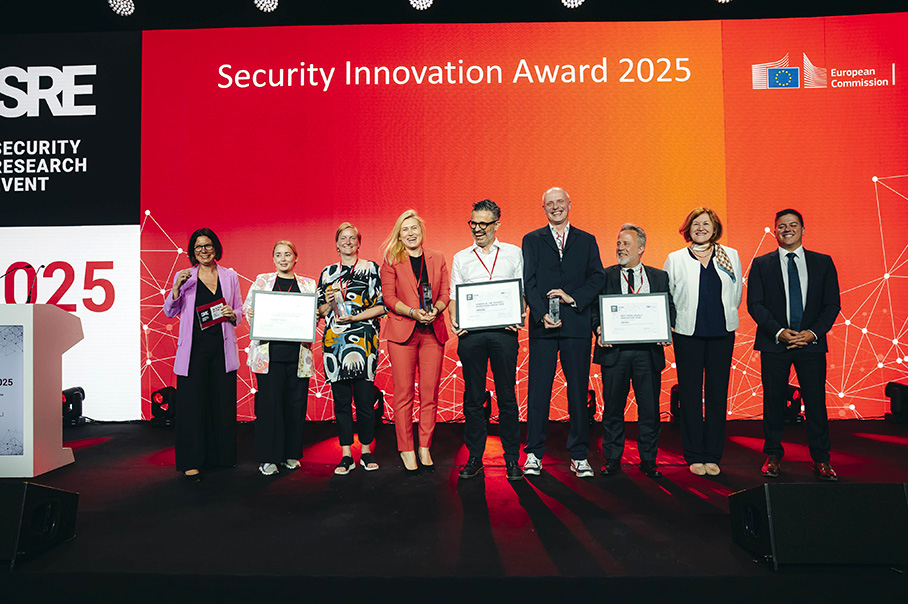
The EU has strengthened its commitment to protecting its citizens, preventing future attacks and promoting a safer and more secure Europe for all with the investment of €30 million under the Internal Security Fund – open a new tab. for 13 selected projects – open a new tab.. This will help strengthen the protection of public spaces such as shopping malls, public transportation, entertainment venues and places of worship.
Measures to tackle drug trafficking, organised crime and terrorism
- A new EU Action Plan against Drug Trafficking – open a new tab. focuses on operational measures across six priority areas: adapting to the evolving routes and methods used by criminal networks; preventing crime and reducing drug-related violence; stepping up cooperation between law enforcement, judiciary and customs authorities; addressing the challenge of synthetic drugs and drug precursors; advancing research, development and innovation, including with a new Security and Innovation Campus to be launched in 2026; and strengthening international cooperation.
- Agreements on the transfer of passenger name records data were signed in October with Iceland – open a new tab. and Norway – open a new tab. on the margins of the Justice and Home Affairs Council, to strengthen law enforcement cooperation and step up the joint fight against terrorism and serious and organised crime, including trafficking in drugs, firearms and human beings.
- An EU blueprint for cybersecurity management – open a new tab. has been adopted to provide guidance on the EU’s response to large-scale cybersecurity incidents or cyber crises.
- A new action plan – open a new tab. bolstering the cybersecurity of hospitals and healthcare providers will create a safer and more secure environment for patients and health professionals.
- The first steps – open a new tab. have been taken towards the signature and ratification by the EU of the UN Convention against Cybercrime.
- A single-entry point – open a new tab. for companies to report cybersecurity incidents under several laws will cut the burden on entities and boost cybersecurity by speeding up and streamlining the reporting process.
Latest available data on human trafficking in the EU
- 9 678 victims of human trafficking registered in 2024.
- 8 % decrease compared to previous year.
- 63 % were women or girls.
Source: Eurostat, ‘Trafficking in human beings statistics – open a new tab.’, January 2026.
Through ProtectEU, the Commission set about developing a new strategy to combat trafficking, addressing every stage from prevention to prosecution.
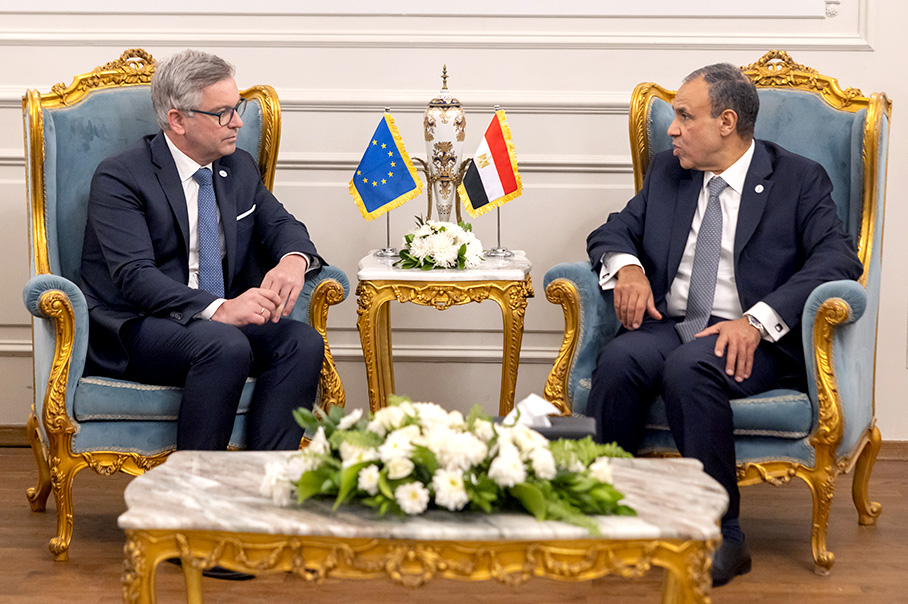
During his visit to Egypt, Commissioner Brunner was present at the signing ceremony of the Working Arrangement between Europol and Egypt – open a new tab., which will enhance law enforcement cooperation to fight terrorism, drug trafficking, migrant smuggling and organised crime. This landmark agreement, the first of its kind in North Africa, will enhance law enforcement cooperation between the northern and southern Mediterranean. The Commissioner also participated in the Second Ministerial Conference of the Khartoum Process, which promotes cooperation among countries along the migration routes between the Horn of Africa and Europe.
Strengthening common borders
The EU’s key focus on common borders during 2025 was to make them more secure by putting in place a fully functional digital border management system; implementing an integrated border management approach and an EU visa policy strategy; and ensuring a complete and fully functioning Schengen area.
Further work will continue in the following areas:
- strengthening political and operational governance with the effective implementation of agreed rules and the use of common information systems, resources and infrastructure provided by the interoperability architecture;
- accelerating the implementation of the digitalisation framework to prevent security risks;
- continued investment in research and innovation;
- continuous adaptation to the evolving security landscape with a common intelligence picture, joint operational actions and stronger cooperation among law enforcement authorities, including in internal border regions;
- effective measures to return those with no legal right to stay in the EU.
The Commission will continue to track progress through the annual Schengen Scoreboard – open a new tab. and further consolidate the Schengen Evaluation and Monitoring Mechanism – open a new tab.. This includes systems in both Schengen countries and EU candidate countries. The Commission, with the support of the Schengen Coordinator, will continue to support Member States to ensure effective cooperation on cross-border operational law enforcement.
-
May
- Europe marks – open a new tab. the first European Day of Safe Travel Abroad.
- The shared biometric matching service – open a new tab. is launched, marking a significant milestone in the EU’s efforts to enhance internal security, border control and migration management.
-
June
- A status agreement – open a new tab. is signed between Frontex and Bosnia and Herzegovina to strengthen cooperation on migration and border management.
- An agreement – open a new tab. is reached between the European Parliament and the Council following interinstitutional negotiations on rules about the suspension of visa-free travel for citizens of non-EU countries.
-
October
- The progressive launch of the EU’s Entry/Exit System – open a new tab., which captures biometric data such as fingerprints, facial image and other travel information and will gradually replace the current system of passport stamping.
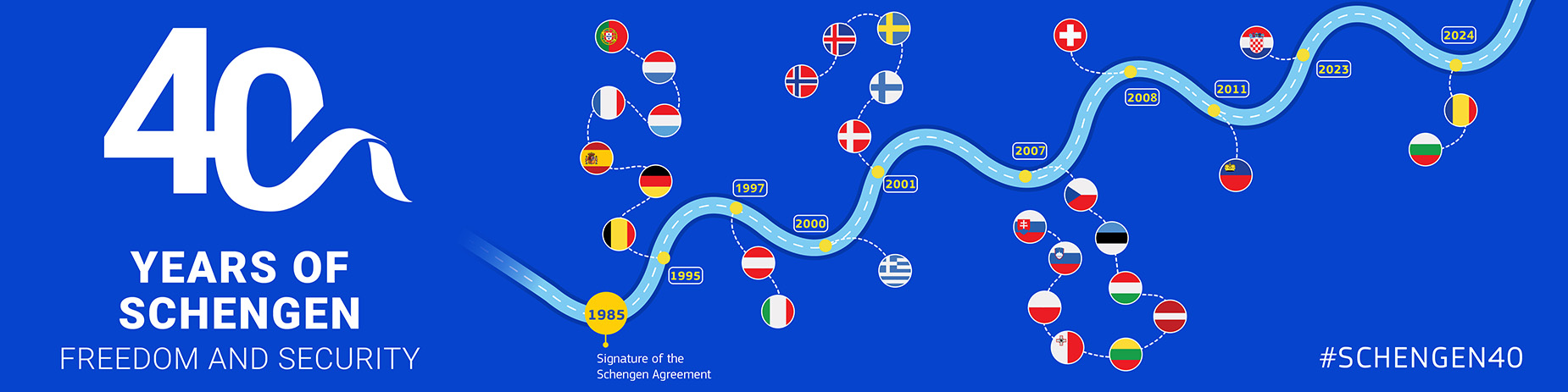
40 years of visa-free travel
On 14 June, Europe celebrated the 40th anniversary of the signing of the Schengen Agreement. Over the past four decades, this agreement has provided more freedom, reinforced security and unlocked economic opportunities. The Schengen area is more than a geographical zone: it is a living testament to Europe’s commitment to a free, united, prosperous and safe continent. As the world’s largest area of cross-national free movement, the Schengen area is a cornerstone of European identity and a strategic asset for Europe.
- 29 countries in the Schengen area (25 EU Member States and four associated countries).
- Over 450 million people live in the Schengen area.
- More than 3.5 million people cross internal borders every day.
- Over 32 million enterprises in the Schengen area benefit from faster transportation, reduced costs and increased trade volume.
Managing migration firmly and fairly
Migration remains a European challenge that must be met with a European solution, with solidarity at its heart. Migration patterns continue to shift. Irregular arrivals into the Schengen area are showing a steady decline, but the pressures that have accumulated upon Europe over the years continue to drain resources in the Member States. While pressures differ from place to place, the effects are shared: schools, housing and local services are directly affected, and communities are put under strain.
Having a robust legal framework that is applied in a balanced way across the EU is essential. In 2025, intensified efforts at the political and technical levels were necessary to ensure that all Member States are adequately prepared to implement the legal acts composing the Pact on Migration and Asylum in relation to the Common Implementation Plan – open a new tab. presented by the Commission. The EU continued to make significant progress on implementing the legal acts composing the pact, and the Commission has continued to provide effective support to Member States. The latter put forward several measures to accelerate the implementation plan. These included introducing two important rules under the pact to facilitate the application of the ‘safe third country’ concept and to accelerate asylum processes and reduce pressure on asylum systems, while preserving the legal safeguards for applicants and ensuring respect for fundamental rights.
The Commission also proposed to establish a first EU list of safe countries of origin – open a new tab.. Some Member States already have national lists, and an EU list would complement these and support a more uniform application of the concept. This would allow Member States to process the asylum claims of nationals from countries on the list using an accelerated procedure, on the basis that their claims are unlikely to be successful.
New key rules to accelerate asylum processes
- 20 % recognition rate threshold. Member States can apply the border procedure or an accelerated procedure to people coming from countries where, on average, 20 % or fewer applicants are granted international protection in the EU.
- Safe third countries and safe countries of origin can be provided with exceptions. This gives Member States greater flexibility by excluding specific regions or clearly identifiable categories of individuals.
In March, the Commission proposed to establish a Common European System for Returns – open a new tab. with swifter, simpler and more effective return procedures across the EU. The proposed rules on return contain provisions on people posing a security threat. They also provide for the possibility to return people to non-EU countries on the basis of an agreement or arrangement under conditions ensuring the respect of international human rights standards and the principle of non-refoulement.
Common European system for returns
One EU system
- Regulation aims at establishing a common system for returns and at further harmonising the rules on returns.
- European Return Order standardises procedures.
Mutual recognition
- Return decisions that can be recognised across all Member States.
- Mandatory from July 2027.
Voluntary return first, forced if needed
- Incentives for voluntary return.
- Mandatory forced return in cases of non-cooperation, absconding or security risks.
Clear obligations and consequences
- Cooperation required with authorities.
- Sanctions for non-cooperation.
- Incentives for cooperation: support for voluntary return.
Safeguards and rights
- Right to effective judicial protection.
- Protection for vulnerable persons, minors and families.
- Full respect for human rights and non-refoulement.
Stricter enforcement tools
- Financial guarantees and reporting duties.
- Designated residence requirements.
- Detention of up to 24 months (extendable for security risks).
Security-risk provisions
- Early screening for threats.
- Longer entry bans and stricter detention rules.
- Mandatory forced return for identified risks.
Readmission and return hubs
- Systematic readmission requests sent to non-EU countries.
- Secure data sharing for enforcement.
- Return on the basis of agreements or arrangements (excluding minors and families).
The first European annual asylum and migration report – open a new tab. shows a continued improvement in the migratory situation during the reporting period (July 2024 to June 2025), with illegal border crossings down by 35 %, partly due to enhanced cooperation with partner countries.
An important step towards the full implementation of the pact was the launch of the first Annual Migration Management Cycle and the new solidarity mechanism, which combines mandatory solidarity with flexibility. This means greater support for Member States that are under migratory pressure and more flexibility for contributing Member States as regards the choice of their contributions. These contributions include relocations of applicants for international protection and of beneficiaries of international protection; financial contributions, including for action in or in relation to non-EU countries; and alternative solidarity measures such as the deployment of personnel or measures focusing on capacity building.
The Commission also continued to work with Member States to open legal pathways to migration, based on the skills needs of their economies and regions. In June, the Partnerships and Financing for Migrant Inclusion – open a new tab. initiative successfully showed how creative financing and collaboration can facilitate the integration of non-EU nationals in Member States.
Partnerships and Financing for Migrant Inclusion initiative boosts migrant integration in Europe
- 4 pilot projects (Belgium, Italy, Netherlands, Finland).
- Over 600 migrant families joined integration activities.
- 848 professionals trained in migrant financial inclusion.
- Over 1 200 migrants benefited from tailored support, including training and coaching.
- 77 microloans issued, fostering self-employment and economic independence.
Breaking down barriers relating to:
- integration into labour markets;
- social inclusion and discrimination;
- access to education and training;
- navigating administrative and legal obstacles.
