 ECA 2020 Annual Activity Report
Our activities in 2020
ANNUAL ACTIVITY REPORT
OF THE EUROPEAN COURT OF AUDITORS

European Court of Auditors
Who we are
- the European Union’s external auditor;
- established by the 1975 Treaty of Brussels, started work in October 1977; a fully-fledged European Institution since the 1993 Maastricht Treaty;
- headquarters in Luxembourg;
- one Member from each EU Member State, appointed by the Council after consulting the European Parliament;
- around 900 staff of all EU nationalities.
What we do
- we make sure that the EU keeps good accounts, correctly applies its financial rules, and that its policies and programmes achieve their intended objectives and deliver value for money;
- we contribute to improving the EU’s financial management, and promote accountability and transparency;
- we warn of risks, provide assurance, indicate shortcomings and successes, and offer guidance to EU policymakers and legislators;
- we present our observations and recommendations to the European Parliament, the Council, national governments and parliaments, and to the general public.
President’s foreword
Dear reader,
2020 has been a particularly difficult year for the European Union and its Member States due to the COVID-19 pandemic.
At the same time, in this time of crisis, our Union has demonstrated that it can make a difference in protecting the safety, health and economic well-being of our citizens. Crucial decisions were taken that will also have a significant impact on the EU’s finances. Over the next seven years, the Union will be able to spend €1.8 trillion. This includes the €750 billion ‘Next Generation EU’ initiative, as the EU’s response to the COVID-19 crisis. The 27 Member States agreed that this temporary recovery programme would be partly financed through the issuing of public debt. These decisions thus mark a truly historic shift in EU finances.
Against this background, we have prepared a new strategy for the 2021-2025 period. In January 2021 we agreed on three strategic goals that will guide our efforts in auditing the EU’s finances in the coming years, and in making the necessary changes to our organisation and the use of our resources in order to do this as effectively and efficiently as possible.
2020 has also been a challenging year for us as an institution. This Activity Report illustrates however that we coped very well with the particular operational issues arising from the COVID-19 crisis. We maintained business continuity throughout the year and, within a matter of days, made it possible for all our staff to work remotely.
As regards our audit work in 2020, priority was given to our annual reports, which were all published within the official deadlines. We also published 32 special reports and reviews, while keeping delays within reasonable limits. Lastly, we issued 11 opinions, mainly dealing with the 2021-2027 Multiannual Financial Framework and the ‘Next Generation EU’ initiative.
2020 was also the last year of our 2018-2020 strategic period. This report therefore takes the opportunity to analyse some long-term trends, comparing our performance over the last three years with performance during the previous strategic period (2013-2017).
You can rest assured that we will do everything we can to continue fulfilling our role as the EU’s independent external auditor, providing an impartial assessment of EU policies and programmes, and of the quality of the financial management of EU funds throughout the Union and beyond.
We hope you find the information in this year’s Activity Report useful.
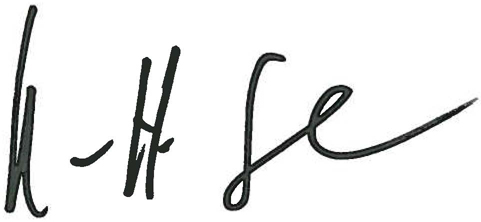
Klaus-Heiner LEHNE
President

Our activities
Our response to COVID-19
despite COVID-19 related
restrictions
In March 2020, the COVID-19 pandemic struck the EU and its Member States. The restrictions imposed on citizens and businesses in view of the public health crisis have profoundly changed the way we live and work. Just like everyone else, the ECA, its Members and staff, had to adjust to this new situation.
Despite these difficult circumstances, we did everything we could to continue providing an effective public audit service in the EU and deliver timely audit reports, opinions and reviews while protecting the health of our staff and their families.
We activated our Business Continuity Plan, which allowed us to take the necessary swift action, in line with the instructions of the Luxembourg authorities and together with the other EU Institutions based here in Luxembourg. In particular, from mid-March 2020 onwards, all our staff went into digital remote work mode in a matter of days. During this period all critical IT systems remained fully available.
We also put in place an exceptional procedure allowing the College to adopt documents without physical meetings.
Travel and sanitary restrictions, however, drastically reduced our capacity to carry out on-the-spot audits. To the extent possible, we have gathered evidence electronically and organised remote meetings with our auditees.
Moreover, during the early phase of the pandemic, we put all publications on hold for several weeks and, from April 2020 onwards, we restarted our communication activities only gradually and less intensively.
in view of changing circumstances
due to COVID-19
In May 2020, at an early stage of the pandemic, we revised our 2020 work programme. Where appropriate, we re-scoped our ongoing tasks and adjusted the approach and timeline to take account of changing circumstances.
We also decided to launch two reviews on the EU’s response to the COVID-19 crisis.
In December 2020, we published the first of these reviews, looking at the economic policy measures adopted at EU and national levels to limit and counter the damage caused by the COVID-19 pandemic. We flagged risks, challenges and opportunities for the future of EU economic coordination (e.g. fiscal rules, state aid rules) and the new EU facilities to combat the effects of the COVID-19 crisis, such as the ‘Next Generation EU’ (NGEU) initiative, including the Recovery and Resilience Facility (RRF) or the Support to mitigate Unemployment Risks in an Emergency (SURE). The second review, looking at the EU’s public health response to COVID-19, was published in January 2021.
Preparing a new strategy 2021-2025
For many years, we have used multi-annual strategies to provide long-term orientations for our audit work, to promote organisational change initiatives for continuous improvement and to remain at the forefront of developments in public-sector auditing.
our 2018-2020 strategy
2020 was the last year of implementing our 2018-2020 strategy. During this three-year period we strove to achieve three strategic goals: to improve the added value of the Statement of Assurance, to focus more on the performance aspects of EU action and to make sure that we get clear messages across to our audiences.
Compared to the previous 2013-2017 strategy period, we made progress in a number of areas:
- we are undertaking more selected audits and publishing more reports;
- more resources are being allocated to performance audits;
- our audits take less time to complete up to adoption of the report;
- our productivity has increased across all types of audit;
- our institutional stakeholders take more interest in our work and we present our work more often to the European Parliament, the Council and national parliaments; and
- there is a significant increase in the media uptake of our reports.
In February 2020, we published a peer review report on how we succeeded in implementing our 2018-2020 strategy.
for the 2021-2025 period
During 2020, we also started preparing our new strategy. This work was organised by our Strategy and Foresight Advisory Panel.
From the beginning, our aim was to prepare this new strategy in a participative manner by actively involving all Members, managers and staff. Throughout the year, we organised a series of workshops, webinars and surveys to collect input and discuss the way forward.
In September 2020, a first draft of the strategy was presented at the annual ECA Seminar. The final version was adopted in January 2021.
This new strategy will guide our work as the EU’s independent external auditor for the next five years. For this period, we have set ourselves three new strategic goals:
Targeting our audits at the areas and topics where we can add most value.
These are:
- the Union’s economic competitiveness;
- resilience to threats to the Union’s security, and respect for the European values of freedom, democracy and the rule of law;
- climate change, the environment and natural resources;
- fiscal policies and public finances in the Union.
We started this strategy development process by specifying the main values that matter for our work. As part of this process, we have also updated our mission statement and developed a vision in our role as the EU’s independent external auditor.
Finally, our 2021-2025 strategy provides an overview of the means that will help us to meet our strategic goals.
Auditing the performance and regularity of EU actions
and compliance audits
Our audits provide EU citizens and policymakers with independent, objective reports on key issues for the future of the EU, highlighting what works well and drawing attention to what does not.
Our performance audits address the effectiveness, efficiency and economy of EU policies and programmes. They focus on topics reflecting the issues the EU is facing, such as the sustainable and environmentally-friendly use of natural resources, growth and inclusion, the challenges of migration and global development, the single market and the banking union, and ensuring that the European Union is accountable and efficient. These audits aim to help the EU to meet its policy objectives better.
Our financial and compliance audits for the EU budget and the budgets of the European Development Funds (EDFs) include our Statement of Assurance on the reliability of the annual accounts and the legality and regularity of the transactions underlying them. We may also undertake selected compliance audits to examine the state of the EU’s budgetary accounting and financial management, or to assess whether the management and control systems for collecting and spending EU funds comply with the applicable EU and national rules. Lastly, we are the financial auditor of a number of EU agencies, decentralised bodies and Joint Undertakings and the European Schools.
We carry out all our audits in line with internationally accepted public-sector auditing standards.
Work programme
Our 2021+ work programme, published in January 2021, reiterates our audit priorities for the coming five years and gives details of the 73 special reports and reviews we intend to publish in 2021 and 2022.
One in four audit tasks to be started in 2021 will be dealing with the EU’s response to the COVID-19 pandemic and the implementation of the ‘Next Generation EU’ (NGEU) initiative.
We prepare our audit work programme independently, but not in isolation. We reach out to our institutional stakeholders, and in particular the European Parliament. Since 2015, when we first initiated this dialogue, the number of suggestions by parliamentary committees has risen steadily: from 37 suggestions in 2015 to a total of 158 audit suggestions received for the 2021+ work programme. About two-thirds of these suggestions are fully or partly taken up in ongoing or future work, or some were already covered in reports we published recently.
Audit fieldwork
We do most of our audit work on our premises in Luxembourg. Our auditors also make a large number of visits to the European Commission – our main auditee – and other EU institutions, as well as to agencies and bodies, national, regional and local authorities in the Member States, EU delegations in third countries, and international organisations that handle EU funds.
We also check recipients of EU funds on the spot, both within the EU and beyond its borders. Through these checks, we follow the audit trail and obtain direct audit evidence from those involved in managing EU policies and programmes and collecting or paying out EU funds, as well as from the beneficiaries who receive them.
We strive to complete our selected audits within 13 months, in line with the target set in the EU’s Financial Regulation.

due to the COVID-19 restrictions
Our audit teams generally comprise two or three auditors, while our audit visits range in length from a few days to a couple of weeks. Our on-the-spot checks within the EU are generally coordinated in liaison with the supreme audit institutions of the Member States concerned.

The frequency and intensity of our audit work in individual Member States and beneficiary countries depends on the type of audits we carry out.
During most of 2020, the travel restrictions and sanitary measures (border closures, quarantine rules, testing requirements, etc.) limited our possibilities to carry out audit fieldwork on the ground.
Therefore, compared to previous years, our auditors spent fewer days auditing on the spot. Our auditors spent a total of 1 190 days both in Member States and outside the EU (2019: 3 605; 2018: 3 761 days). In addition, they spent 627 days at the EU institutions, as well as at decentralised agencies and bodies across the EU, Joint Undertakings, international organisations such as the United Nations or the OECD, and private audit firms (2019: 2 504 days; 2018: 2 723 days).
At the same time, we made increased use of remote auditing by using video conferencing tools and other information technology, such as secure data and document sharing, to interact with our auditees.

Our reports
Our audit reports, reviews and opinions are an essential element of the EU’s accountability chain. They help the European Parliament and the Council to monitor and scrutinise the achievement of the EU’s policy objectives and to hold to account – particularly in the context of the annual discharge procedure – those responsible for managing the EU budget.
In recent years, as set out in our 2018-2020 strategy, we have been increasing our focus on assessing performance in EU action.
Special reports and reviews
In 2020, we examined many of the challenges the EU is facing across the different areas of EU spending, such as climate action spending, roads, urban congestion, capital markets union, trade defence, to name but a few.
In our special reports, we examine whether the objectives of selected EU policies and programmes have been met, whether results have been achieved effectively and efficiently, and whether EU action has added value – i.e. whether it has delivered more than could be achieved with actions at national level alone. In these reports, we also make recommendations, identifying ways to save money, work better, avoid waste or achieve expected policy objectives more effectively.
Our reviews aim to provide scene-setting description and analysis, often from a cross-cutting perspective and based on previous audit work or other publicly available information. We may also use them to present our analysis of areas or issues we have not yet audited, or to establish facts on specific topics or problems. In contrast to audits, they do not address evaluative questions or provide assurance.
The following pages provide insights into our work and examples of reports from 2020 covering different policy areas.
Sustainable use of natural resources
EU action to tackle the issue of plastic waste (Review 04/2020)

Packaging alone, such as yoghurt pots or water bottles, accounts for about 40 % of plastic use and over 60 % of plastic waste generated in the EU. It is also the type of packaging with the lowest recycling rate in the EU (slightly over 40 %). To address this growing waste problem, the Commission adopted a plastics strategy in 2018, doubling the current recycling target to 50 % by 2025 and even 55 % by 2030. Reaching these targets would be a significant step towards achieving the EU’s circular economy goals.
This review examined the EU’s response to the growing problem of plastic waste with a focus on plastic packaging waste. The review highlights some of the gaps, risks, challenges and opportunities of the approach the EU has adopted to tackle plastic packaging waste.
New stricter reporting rules must show a more reliable picture and will likely lead the EU’s reported average plastic packaging recycling rate to drop from the current figure of 42 % to barely 30 %. The challenge of ramping up recycling capacity in the EU is all the greater given the new and soon-to-be-applied ‘Basel convention’, which sets stricter conditions for shipping plastic waste abroad. As from January 2021 most plastic waste shipments are banned. This, combined with the lack of capacity to treat this waste within the EU, constitutes another risk to achieving the new targets. There are also risks of an increase in illegal shipping and waste crime, but the EU framework is too weak to counter these.
New EU rules intend to harmonise and reinforce Extended Producer Responsibility schemes, so that they promote recyclability (for instance via fee modulation systems or even deposit-return schemes) and not only lighter packaging, as most currently do. The Commission’s revised packaging design rules could result in better packaging design for recyclability and could incentivise reuse as well.
Investment for cohesion, growth and inclusion
Special report 20/2020: Combating child poverty – Better targeting of Commission support required

Almost one in four children in the EU is at risk of poverty or social exclusion. According to the latest Eurostat data, these are almost 23 million children (those aged less than 18). Risk of poverty or social exclusion means that they are living in households suffering from at least one of the following three conditions: risk of income poverty, severe material deprivation and very low work intensity.
Studies have repeatedly highlighted that investing at a relatively low financial cost during childhood can yield a lifetime of gains. In the EU, the fight against child poverty lies in the hands of each Member State. The Commission’s role is to complement and support national child poverty actions through both legal and financial instruments.
We assessed whether the Commission had made an effective contribution to Member States’ efforts to reduce child poverty.
We found that it was almost impossible to assess how the EU contributes to Member States’ efforts to reduce child poverty. The relevance and strength of the EU instruments examined were limited because they were not legally binding, and more powerful tools, such as the European Semester or support from the EU funds, rarely addressed child poverty specifically. It was thus difficult to determine whether the EU action contributes effectively to efforts to tackle this important concern.
We recommended that the Commission should include actions and objectives to tackle child poverty in its European Pillar of Social Rights action plan; ensure clear internal guidance for situations that could lead to a potential country specific recommendation directly addressing child poverty; target and monitor investment in tackling child poverty in the 2021-2027 period, and ensure that sufficient reliable evidence supports the upcoming European Child Guarantee.
External action, security and justice
Special report 14/2020: EU development aid to Kenya
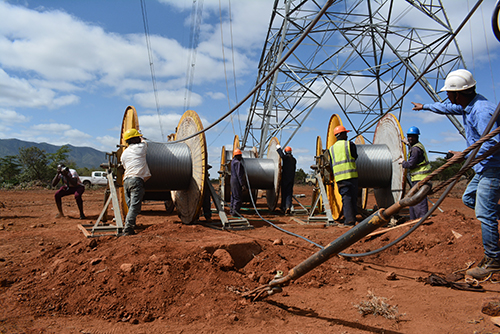
EU development aid is aimed at reducing and ultimately eradicating poverty in the supported countries by incentivising good governance and sustainable economic growth.
Each European Development Fund (EDF) generally lasts from five to seven years. Under the 11th EDF, 75 ACP countries received a total of €15 billion. The allocation was based on five indicators: population, GNI per capita, Human Asset Index, Economic Vulnerability Index, and Worldwide Governance Indicators. Countries with large populations such as Kenya received proportionally less funding.
The EDF is Kenya’s main source of EU funding. The aid received by the country under the 11th EDF, between 2014 and 2020, amounted to €435 million, around 0.6 % of its tax revenue.
We assessed whether the Commission and the European External Action Service (EEAS) had targeted it effectively towards where it could contribute most to reducing poverty. Auditors focused on the effectiveness of development aid provided to Kenya through the EDF, the country’s main source of EU funding. The report also uses the example of Kenya to assess the methodology for allocating EU development aid and to help in designing new actions in the next Multiannual Financial Framework. Auditors examined whether the Commission and the EEAS had effectively targeted the EDF support where it could contribute most to reducing poverty in Kenya.
We found that aid was spread across many areas and that the Commission had not explained how and why the supported sectors would most assist Kenya in reducing poverty. Although the audited projects generally delivered their expected outputs and outcomes, their impact on the country’s overall development was not yet demonstrated.
We recommended reconsidering the approach for allocating aid to African, Caribbean and Pacific countries based on our work on Kenya. We also recommend prioritising certain sectors in Kenya while paying particular attention to focusing aid to achieve results.
Regulation of markets and a competitive economy

EU competition rules are aimed at preventing companies from indulging in anticompetitive practices such as secret cartels or abusing a dominant position. The Commission can impose fines on companies that infringe these rules. In the last 10 years, competition enforcement has had to come to terms with significant changes in market dynamics due to the emergence of digital markets, big data and price-fixing algorithms.
In its antitrust proceedings, the Commission enforces the EU’s competition rules, together with the national competition authorities (NCAs). The Commission is also responsible for reviewing mergers of companies that are significant for the EU’s internal market.
Every year, the Commission examines over 300 merger notifications and around 200 antitrust cases. From 2010 to 2019, it imposed fines amounting to €28.5 billion for infringements. Due to limited resources, it has conducted only four own-initiative sector inquiries since 2005, which helped to detect infringements.
We assessed how effectively the Commission detected and enforced infringements of EU competition rules regarding mergers and antitrust, and how it had cooperated with the NCAs. Auditors also looked at how the Commission assessed its own performance and reported on it.
We found that the Commission’s decisions addressed competition concerns. But due to limited resources, capacities for monitoring markets and own detection of antitrust cases were limited. Increasing amounts of data to be processed and the emergence of digital markets made investigations complex and not all challenges had been addressed yet. Cooperation with the NCAs was good, but certain aspects could benefit from better coordination. Also, the way the Commission assesses and reports on the performance of its activities needs improvement.
We recommended that the Commission improve its capacity to detect and enforce infringements of competition rules, cooperate more closely with the NCAs, and improve performance reporting.
Financing and administering the Union

Every year, the EU institutions recruit around 1 000 new permanent staff for long-term careers from more than 50 000 applicants to EPSO’s open competitions, which are highly selective: the average success rate is 2 %. Between 2012 and 2018, 411 000 candidates competed for 7 000 positions on EPSO reserve lists: generalist competitions attract tens of thousands of applicants and can result in up to 200 successful candidates. EPSO has shortened its procedures from 18 to 13 months, but still exceeds its own 10-month target. The cost per successful candidate is around €24 000: the cost structure is designed to minimise costs for large-scale competitions.
We assessed whether EPSO’s processes succeeded in attracting and selecting suitable potential recruits for the EU institutions in a timely and cost-effective manner between 2012 and 2018.
We found EPSO’s selection process not well adapted to small-scale targeted competitions that could attract specialists to apply for positions in the EU civil service. At the same time, the auditors also pointed to a number of weaknesses in the generalist selection procedures carried out by EPSO.
We recommended strengthening the selection process, introducing a new selection framework for specialists and improving EPSO’s capacity to adapt to the current fast-changing environment.
Annual and specific annual reports
Annual reports mainly present the results of our Statement of Assurance on the European Union budget and the budget of the European Development Funds (EDFs).
Specific annual reports present our annual financial audit work on the EU’s agencies, decentralised bodies and Joint Undertakings, and the European Schools.
We also publish a report on contingent liabilities arising from the activities undertaken by the Single Resolution Board (SRB).
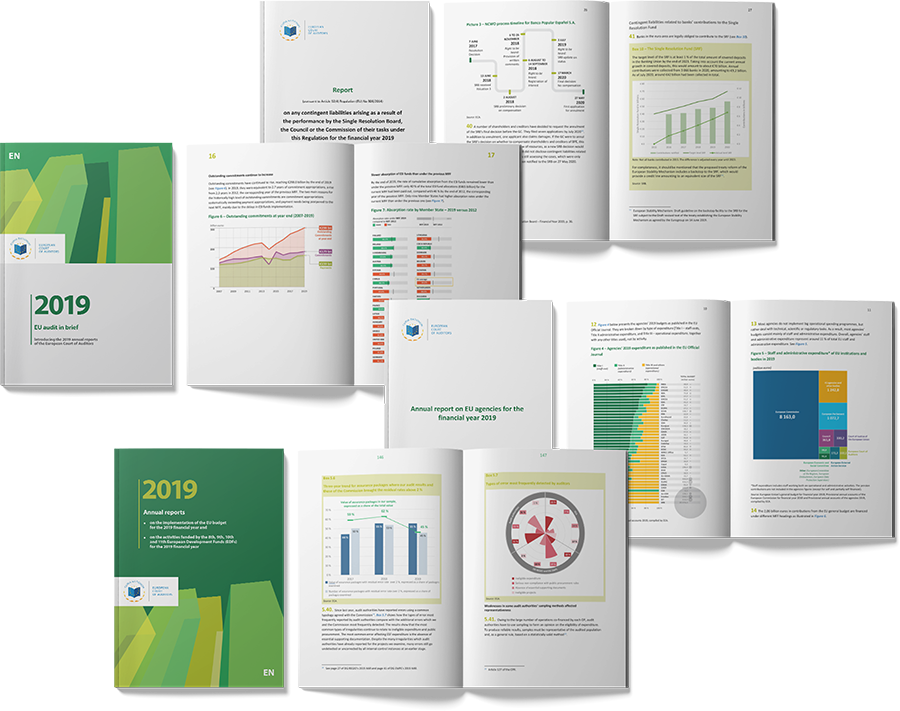
Annual report on the EU budget for the 2019 financial year
Every year, we audit EU revenue and expenditure to examine whether the annual accounts are reliable and whether the income and expenditure transactions underlying the accounts comply with the financial rules at EU and Member State level.
In addition, we specifically assess each major area of the EU budget, based on the
(sub-) headings of the Multiannual Financial Framework (MFF). We also analyse why and where errors have occurred, make recommendations for improvement, and examine whether and how our previous recommendations have been put into practice.
This extensive work forms the basis for our Statement of Assurance, which we are required to provide to the European Parliament and the Council in accordance with our mandate under the Treaty on the Functioning of the European Union (TFEU).
clean opinion on accounts and revenue
For the 2019 financial year, we provided a ‘clean opinion’ on the accounts and on the EU’s revenue.
adverse opinion on expenditure
In 2019, EU spending was €159.1 billion, accounting for 2.1 % of EU Member States’ total government spending and 1 % of EU gross national income.
Our auditors tested a sample of 747 payments to beneficiaries across all spending areas, out of a total audit population worth around €126 billion. This means we assessed different cases where EU money had been used to provide support for key infrastructure projects, SMEs, research organisations, farmers, students in EU Member States, and beneficiaries in non-EU countries.
For the 2019 financial year, we issued an ‘adverse opinion’ on the EU’s expenditure.
For the financial year 2019, we estimated the level of error for expenditure as a whole to be between 1.8 % and 3.6 %. The mid-point of this range, known as the ‘most likely error’, is 2.7 % (for the financial year 2018: 2.6 %).
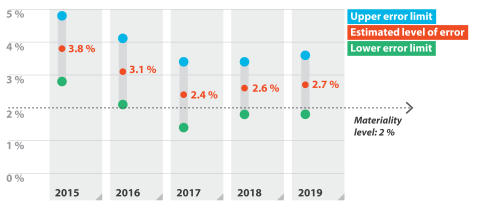
Note: We use standard statistical techniques to estimate the level of error. We are 95 % confident that the level of error for the population lies in the range between the lower and upper error limits (for more details, see Chapter 1, Annex 1.1 to the 2019 annual report).
affected by material error
For the 2019 financial year, high-risk expenditure accounted for 53 % of our audit population, more than in the previous two years. The estimated level of error for high-risk expenditure was 4.9 % (4.5 % for the 2018 financial year).
EU spending is characterised by two types of expenditure involving distinct patterns of risk:
- Low-risk, entitlement payments: are based on beneficiaries meeting certain (less complex) conditions: these include student and research fellowships (under ‘Competitiveness’), direct aid for farmers (‘Natural resources’) and salaries and pensions for EU staff (‘Administration’);
- High-risk, cost reimbursements: the EU reimburses eligible costs for eligible activities (involving more complex rules): these include research projects (under ‘Competitiveness’), investment in regional and rural development (‘Cohesion’ and ‘Natural resources’) and development aid projects (‘Global Europe’).
Economic, social and territorial cohesion and
Competitiveness for growth and jobs
For the 2019 financial year, ‘Economic, social and territorial cohesion’ was the most error-prone MFF (sub-) heading, followed by ‘Competitiveness for growth and jobs’.

Note: The estimated level of error is based on quantifiable errors we identified through our work, notably by testing a sample of transactions. We use standard statistical techniques to select this sample and estimate the level of error (see Chapter 1, Annex 1.1 to the 2019 annual report).
Fighting fraud against the EU’s financial interests
reported to OLAF
We are the EU’s external auditor. Our audits are not specifically designed to detect fraud. Nevertheless, our auditors regularly identify a number of cases where we suspect that fraudulent activity may have taken place.
In 2020, we reported six cases of suspected fraud to OLAF (2019: 10 cases) that we had identified in the course of our audit work. Our annual report on the EU budget provides additional information on the nature of these suspected fraud cases and on the subsequent financial recoveries recommended by OLAF.
for the 2019 financial year
For the 2019 financial year, as a pilot exercise, we split our annual report into two separate parts. The second part of the annual report covers the performance of spending programmes under the EU budget.
For the first time in our annual reporting we reviewed the Annual Management and Performance Report (AMPR), which is the Commission’s main high-level performance report.
We also examined the results achieved by EU programmes under the 2014-2020 MFF. Our purpose was to establish how much relevant performance information was available and, based on that information, to assess how well EU spending programmes have actually performed.
We also followed-up the audit recommendations we made in reports published in 2016.
Annual report on the European Development Funds for the 2019 financial year
clean opinion on accounts and revenue;
adverse opinion on expenditure
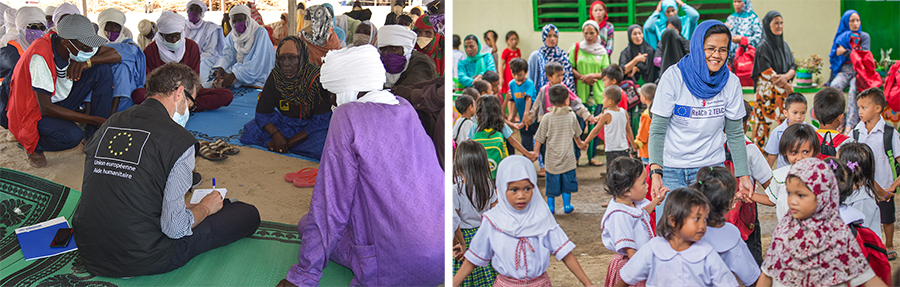
The European Development Funds (EDFs), launched in 1959, are the main instruments by means of which the EU provides development cooperation aid. They aim to overcome poverty and promote sustainable development and the integration of African, Caribbean and Pacific countries and overseas countries and territories into the world economy. They are funded by the EU Member States and managed outside the EU budget by the European Commission and the European Investment Bank (EIB).
As in previous years, we issued a ‘clean opinion’ on the EDF accounts and on revenue but an ‘adverse opinion’ on EDF expenditure for the 2019 financial year.
Specific annual reports on EU agencies
The EU agencies are distinct legal entities set up to carry out specific technical, scientific or managerial tasks that help the EU institutions to design and implement policies. In total, there are 43 agencies.
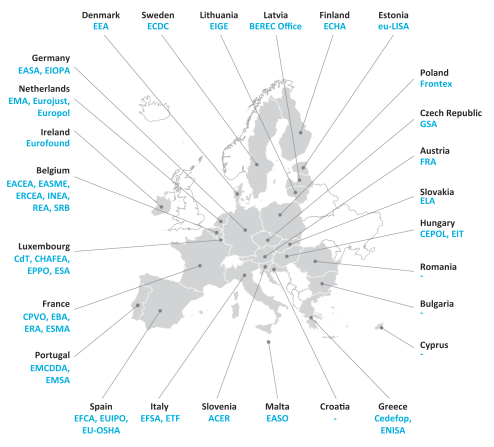
Note: For the 2019 financial year the European Public Prosecutor’s Office (EPPO) and European Labour Authority (ELA), were not yet financially autonomous.
for the 2019 financial year
In the financial year 2019, the total budget of all agencies (excluding the SRB) under our mandate was €3.3 billion (2018 financial year: €4.2 billion), which is equivalent to 2.2 % of the 2019 EU general budget (2018 financial year: 2.1 %).
Overall, our financial audit of the agencies confirmed the positive results reported in previous years. We issued ‘clean opinions’ on the 41 agencies’ accounts, on revenue and on the payments underlying the agencies’ accounts, except for some issues affecting payments by the Agency for the Cooperation of Energy Regulators (ACER) and the EU Asylum Support Office (EASO).
performance of EU agencies
In 2020, for the first time, we also examined the performance of EU agencies from a cross-cutting perspective. Our audit identified a need for more flexibility in the set-up, functioning and possible winding-up of agencies. We also concluded that insufficient support from Member States, industry, the European Commission or other agencies prevents some agencies from fully performing their role.
Specific annual report on Joint Undertakings for the 2019 financial year
Joint Undertakings (JUs) are the EU’s public-private partnerships with industry, research groups and Member States, and play an important role in implementing specific aspects of EU research policy.
Eight of the nine JUs are implementing specific research and innovation actions of the Horizon 2020 programme in the areas of transport, transport/energy, health, bio-based industries, electronic components and systems, and digital research. The ninth JU, Fusion for Energy, is funded by Euratom and is responsible for providing Europe’s contribution to the International Thermonuclear Experimental Reactor (ITER).
In 2020, we audited for the first time the annual accounts and underlying transactions of the European High Performance Computing Joint Undertaking, established in 2018.
for the 2019 financial year
In the financial year 2019, we issued ‘clean opinions’ on the accounts, revenue and payments for all JUs.
However, as in previous years, our audit opinion on the 2019 annual accounts of the ‘Fusion for Energy’ (F4E) JU is accompanied by an emphasis of matter, mainly to draw attention to the risk of further cost increases and delays in implementation of the ITER project.
Specific annual reports on European schools and contingent liabilities of the Single Resolution Board
We report annually on the contingent liabilities of the Single Resolution Board (SRB), the Council and the Commission, arising from the performance of their tasks under the Single Resolution Mechanism Regulation. In our report on the 2019 financial year, we conclude that the SRB and the Commission made a fair effort to disclose contingent liabilities where they had reason to do so.
We also issued our yearly report on the annual accounts of the 13 European schools.
Parliament’s discharge procedure
The publication of our annual reports also marks the start of the discharge procedure, during which the European Parliament decides – upon a recommendation from the Council – whether the Commission and other bodies have managed the EU budget satisfactorily. If they have, it grants them a discharge.
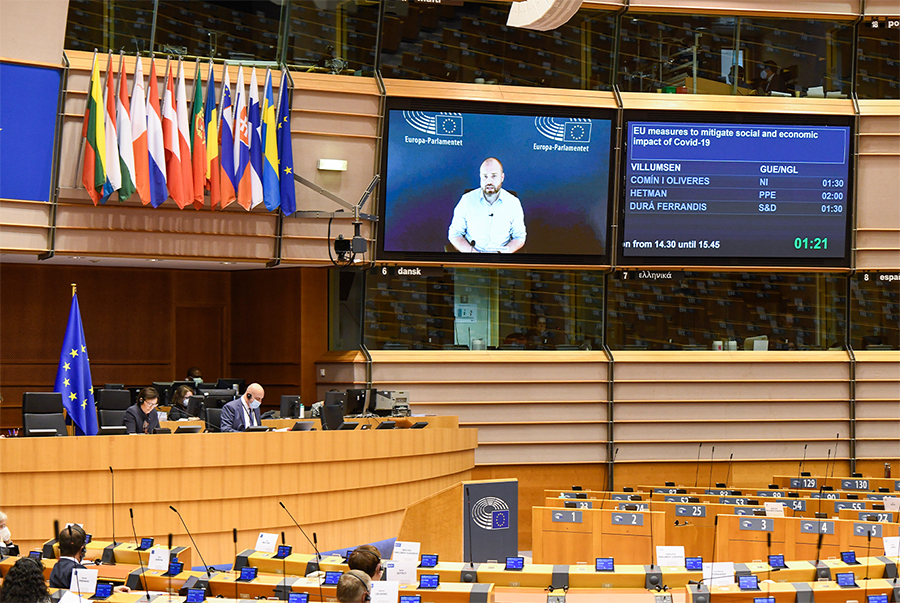
Exceptionally, due to COVID-19, the presentation of our 2019 annual reports at the European Parliament plenary was postponed to January 2021.
Opinions
2021-2027 MFF and the ‘Next Generation EU’
(NGEU) initiative
One way we contribute to improving the Commission’s Better Regulation approach is by examining the Commission’s proposals for new or revised legislation. Where these legislative proposals entail a significant financial impact, our opinions are required by EU law. Other institutions can also ask us to issue opinions on other specific issues. All our opinions are submitted to the European Parliament and the Council.
In 2020, we published 11 such opinions. The large majority of them relate either to amendments of existing rules in the 2014-2020 MFF in the context of the EU’s response to the COVID-19 outbreak or to legislative proposals for the 2021-2027 MFF and the ‘Next Generation EU’ (NGEU) initiative.
Other communication products
Audit previews
Our audit previews provide information on ongoing (performance) audit tasks. They are based on the preparatory work undertaken and are intended as a source of information for those interested in the policy and/or programme being audited.
In 2020, we issued 14 audit previews (2019: 18).
Journal
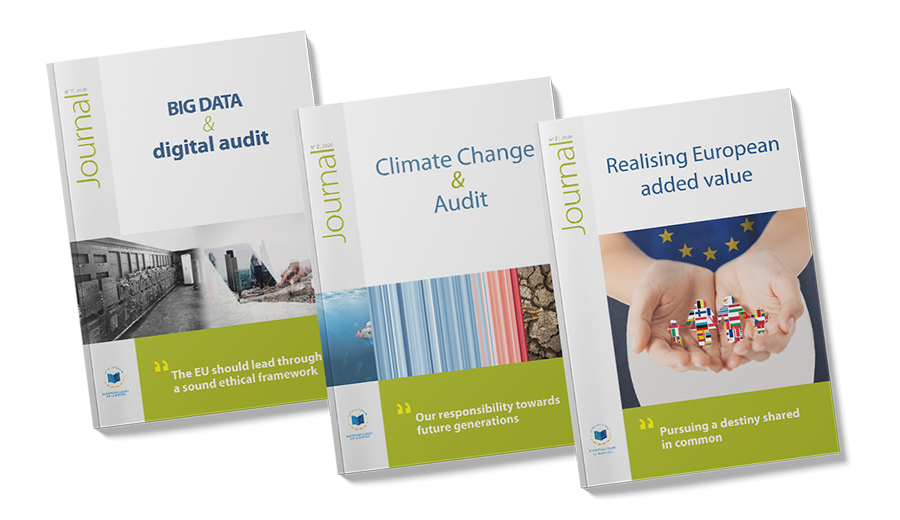
Each edition of the ECA Journal features articles on a specific theme, mostly from an audit perspective, from contributors working within and outside the EU institutions.
In 2020, we issued three editions: on 'Big data and digitalisation', on 'Climate change and audit' and on 'Realising European added value'.
Conferences and webinars
During 2020, we also organised a number of conferences and webinars. All these events were organised remotely and open to interested parties and citizens.
Two examples of such conferences are presented below.
investment strategy
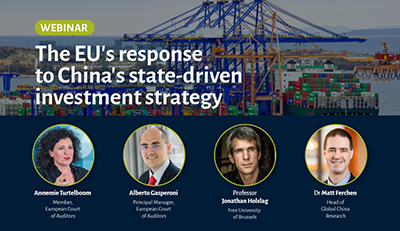
In June 2020, we hosted a webinar to discuss the EU’s response to China’s state-driven investment strategy in relation to our 2020 review on this topic. The invited academic experts and our ECA experts shared their thoughts on EU-China relations, the implications of China’s economic rise and the EU’s response to Chinese investments.
the public sector
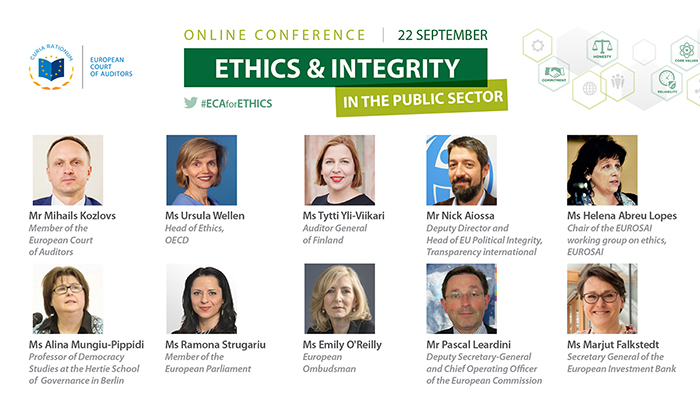
In September 2020, we hosted a conference on Ethics and Integrity in Public Administration. The aim of the conference was to foster discussion about the ethical policies of the EU institutions and their correlation with public trust in the EU. Representatives from academia, leading NGOs, the European Parliament, the OECD, the EIB, the European Ombudsman and standard-setters in the audit profession took part in the discussions. The conference was a follow-up discussion to our 2019 special report on the 'Ethical frameworks of the audited EU institutions: scope for improvement'.
Innovation and digital audit
Our ambition is to make best use of modern technology in audit to deliver more and better information for the accountability process. The need to invest in digital audit is also recognised in our 2021-2025 strategy.
continued in 2020
During 2020 we continued implementing the ‘ECA audit goes digital’ project to prepare a digital audit development plan and to coordinate the different initiatives carried out by the audit chambers. This cross-cutting project is managed by a dedicated Digital Steering Committee.
piloted for EU executive agencies
In 2020, for the first time, we applied digital audit techniques for the financial audit of the EU agencies.
The financial audit of the EU agencies consists of around 200 audit procedures covering areas such as payments, salaries, procurements, budget, and recruitment. Our pilot focused on some of these procedures for six executive agencies which have similar administrative procedures and IT systems.
This pilot showed the potential of digital audit to improve the quality and the efficiency of our audits.
In 2020, the ECALab, our inter-disciplinary innovation laboratory team, continued to explore technologies such as text mining, artificial intelligence and process mining and open data processing for audit purposes.
Moreover, the ECALab supported 12 audit tasks with innovative solutions to data gathering and analysis.
We also presented the work of the ECALab team to a number of international and academic meetings.
Since 2018, we have been participating in the European Blockchain Partnership, a declaration signed by the 27 Member States, Liechtenstein and Norway. In particular, we have been leading the work on notarisation for the European Blockchain Services Infrastructure to use the distributed ledger technology to create trusted digital audit trails, automate compliance checks and verify data integrity.
In 2020, we implemented a prototype using the ‘ECA registry’ to guarantee to users the integrity of our publications which are available online on our website.
Institutional relations
We work closely with the European Parliament, the Council and national parliaments in the Member States, as the impact of our work depends largely on the use they make of our audit results and recommendations.
European Parliament
In January 2020, the Conference of Committee Chairs (CCC) invited our President for an exchange of views on our 2020 and 2021+ work programmes.
Moreover, our Members and audit teams are regularly invited to the EP’s committees and bodies, and in particular to the Budgetary Control Committee (CONT), to present the results of our work.

At the end of 2019, CONT introduced a new procedure for selecting special reports and reviews to be presented in their committee meetings.
However, the year 2020 was an exceptional year, due to the COVID-19 crisis. During the spring and summer 2020, the EP was not in a position to organise meetings where we could present our work remotely.
In September 2020, when this became possible, we resumed our presentations. Overall, during 2020, our Members presented 12 special reports and one review to CONT. For a number of reports published in 2020 and selected by CONT, the presentations were postponed to 2021.
In addition, during 2020, our Members gave 18 presentations of special reports and reviews to ten other EP committees. Some of these meetings took place jointly when several committees were interested in the same report.
Council of the European Union
As a rule, the Council’s preparatory bodies deal with all our special reports, but not necessarily with all reviews or opinions. In 2020, we presented 30 special reports, one review and one opinion to three Council committees (Economic and Financial Committee, Economic Policy Committee and Financial Services Committee) and 20 Council working parties (2019: 26 special reports to 22 Council working parties).
In 2020, we also participated in three other events:
- presentation of our 2021 draft budget to the Budget Committee;
- presentation of the amendments of the Court’s Rules of Procedures to the Working Party on General Affairs; and
- participation in an online event by the Permanent Representation of Romania on European Economic Recovery.
Croatia: January – June 2020
Germany: July – December 2020
In February 2020, President Klaus-Heiner Lehne (together with ECA Members Ivana Maletić and Rimantas Šadžius), met with representatives of the Croatian Council Presidency and of several national authorities. In addition they participated in a high-level conference on the new MFF.
Meeting s during the German Council Presidency mostly had to take place virtually.
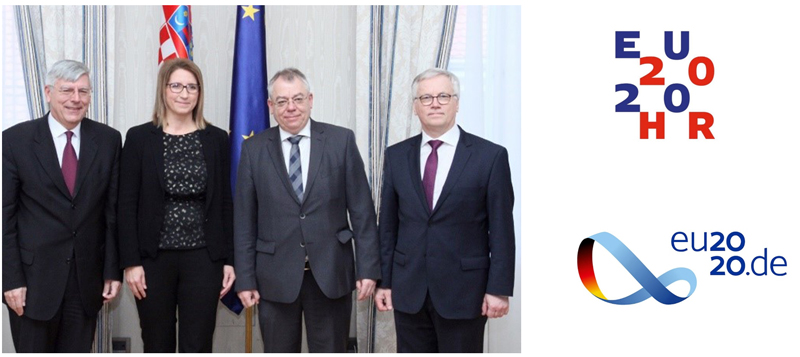
From left to right: Vice President of the Croatian Parliament Željko Reiner, ECA Member Ivana Maletić, ECA President Klaus-Heiner Lehne and ECA Member Rimantas Šadžius.
National parliaments
with national parliaments
During 2020, we presented our work in 47 meetings with national parliaments in 15 Member States. From mid-March 2020 onwards, almost all of these meetings took place in a remote format.
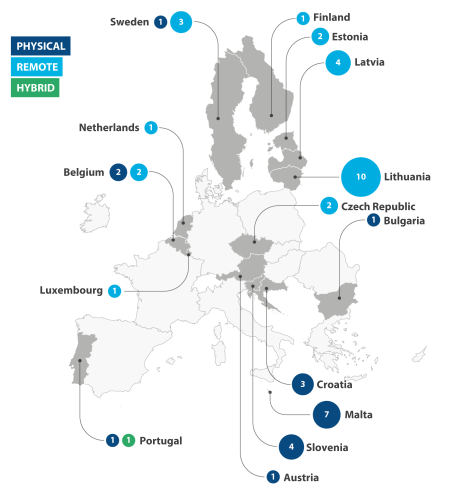
In addition, there were also several events where we presented our work to Member State governments and national authorities.
Parliament, the Council and national
parliaments due to COVID-19
Overall, during 2020, we presented the results of our work on 156 occasion at European Parliament committees, Council preparatory bodies and national parliaments, a decrease compared to previous years (2019: 264; 2018: 248).

Nevertheless, for the 2018-2020 period as a whole, there was a significant increase in appearances, in particular, at the European Parliament. The peak, with 133 appearances, was reached in 2018, the last full plenary year before the May 2019 elections. This compares to an average of 84 presentations per year for the 2013-2017 period.
European Commission
at the highest level
In September 2020 Commission President Ursula von der Leyen delivered the key note speech at the 2020 ECA Seminar, followed by a presentation of the Commission’s first annual Strategic Foresight Report by Commission Vice-President Maroš Šefčovič.
In March 2020 Dubravka Šuica, Commission Vice-President, visited the ECA for an exchange of views with President Klaus-Heiner Lehne and other ECA Members. The main topics discussed were demographic challenges in the EU, the importance of democracy and, in particular, the ‘Conference on the Future of Europe’.

Dubravka Šuica, Vice-President of the European Commission and Klaus-Heiner Lehne, ECA President.
For years, it has been a well-established practice that our Members hold an annual meeting with their counterparts at the European Commission.
In 2020 however, due to COVID-19, it was agreed to postpone this yearly meeting to a later date.
Cooperation with other supreme audit institutions
Contact Committee of EU SAIs
Our cooperation with the supreme audit institutions (SAIs) of the 27 Member States mainly takes place within the framework of the Contact Committee of the heads of EU SAIs. This forum facilitates the promotion of independent external audit work in the EU and its Member States.
In 2020, we initiated a new type of audit cooperation, the EU Network Audit on matters related to the COVID-19 pandemic. The aim is to share knowledge and experience and to increase the visibility and impact of the SAIs’ relevant audit work.
postponed
Due to COVID-19, the 2020 annual meeting, planned to take place in October 2020 in Luxembourg, was postponed to 2021.
in December 2020
In December 2020, on behalf of the Contact Committee, we published, an Audit Compendium on how auditors across the European Union scrutinise cybersecurity. The report provides relevant background information on cybersecurity in the EU and its Member States and reflects the increasing attention auditors pay to the resilience of critical information systems and digital infrastructures. In this regard, it also provides an overview of the relevant audit work, and draws on recent findings by the ECA and the SAIs of 12 EU Member States.
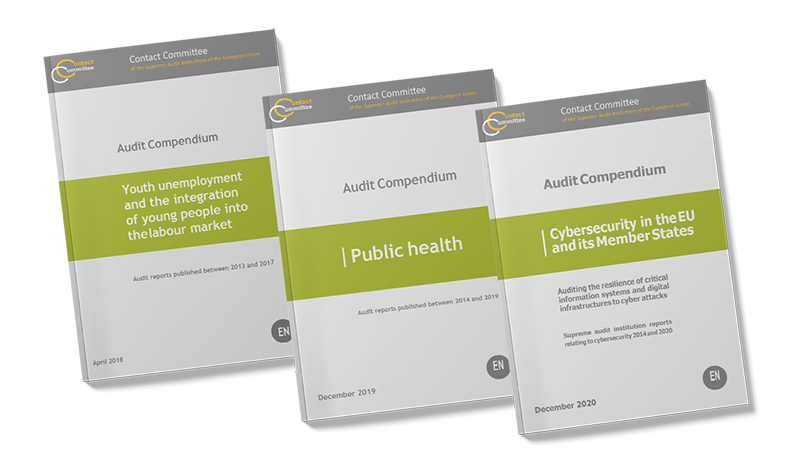
This was the third edition of the Audit Compendium, which by now has become an annual publication of the Contact Committee.
Technology and Innovation for Audit

In November 2020, we also launched a knowledge-sharing and collaboration platform with other EU SAIs on Technology and Innovation for Audit (TINA).
INTOSAI
During 2020, we continued our active involvement in the activities of the International Organisation of Supreme Audit Institutions (INTOSAI), most notably as Vice-Chair of the Professional Standards Committee (PSC) and member of its subcommittees. In November 2020, we participated in the virtual INTOSAI governing board meeting. In addition, we led the ISSAI 200 revision project of the Financial Audit and Accounting Subcommittee (FAAS).
We also participated in the activities and projects of other INTOSAI working bodies, notably on environmental auditing, Big Data and financial modernisation and regulatory reform. We also participated in the task force on INTOSAI Auditor Professionalisation (TFIAP) and the INTOSAI Development Initiative (IDI).
EUROSAI
We were also actively involved in the activities of the European Organisation of Supreme Audit Institutions (EUROSAI), the European regional group of INTOSAI, in particular its working groups on environmental auditing, information technologies, and the audit of funds allocated to disasters and catastrophes.
In 2020, we set up a project group on ‘Preparing for future risks and climate crisis: Time for audit to take a long-term view?’ in the framework of the ‘Forward thinking and emerging issues’ portfolio. Moreover, we actively contributed to the project group on auditing the response to COVID-19.
SAIs of EU candidate countries and potential candidates
We also support the SAIs of EU candidate countries and potential candidates (Albania, Bosnia and Herzegovina, Kosovo*, Montenegro, North Macedonia, Serbia and Turkey).
In February 2020, we participated in a conference on ‘Working with parliaments to improve audit impact’, organised by the SAI of Montenegro.
* This designation is without prejudice to positions on status, and is in line with UNSCR 1244/1999 and the ICJ Opinion on the Kosovo Declaration of Independence.
Our management
Members
The ECA operates as a collegiate body of Members, one from each Member State. After consulting the European Parliament, the Council appoints each Member once they have been nominated by their respective national governments. We have no role in the process of nominating or appointing our Members.
Our Members serve a renewable term of six years. They perform their duties in complete independence and in the general interest of the EU. Upon taking office, they give a solemn undertaking to that effect before the European Court of Justice.
In 2020, and early 2021, the Council appointed two new Members: Helga Berger from Austria (as from 1 August 2020) and Marek Opioła from Poland (as from 1 February 2021; he will complete the term of former Member Janusz Wojciechowski, who was appointed EU Commissioner for agriculture in 2019). Phil Wynn Owen from the UK was a Member until 31 January 2020.
In 2020, due to the exceptional circumstances, there were only three physical meetings of the College (2019: 21 times; 2018: 18 times). The attendance rate at these meetings was 96 %.
At the beginning of the COVID-19 pandemic, an exceptional procedure was put in place, allowing the College to adopt documents without physical meetings. From March 2020 onwards the College had 22 such exceptional procedure meetings. As they are considered to be the equivalent of a written procedure, the attendance rate was not measured.
2021-2025 strategy and the
2021+ work programme
Once a year, our Members, the Secretary-General and the directors take a two-day retreat to discuss important issues relating to the institution’s future operation.
This year’s ECA Seminar took place in September 2020 at our own premises. It provided an opportunity to discuss the first draft of our new 2021-2025 strategy prepared by the Strategy and Foresight Advisory Panel and the 2021+ work programme.
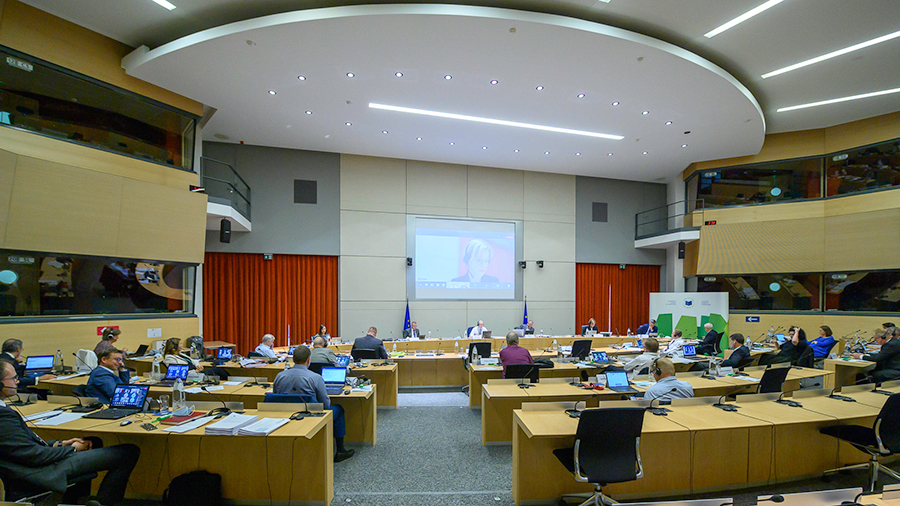
ECA Seminar, September 2020, Luxembourg.
President
The President is in charge of the institution’s strategy, planning and performance management, communication and media relations, institutional liaison, legal matters and internal audit. He or she also represents the institution in its external relations.
Our Members elect one of their number as President for a renewable period of three years. He or she then assumes the role of first among equals (primus inter pares).
Klaus-Heiner Lehne was elected President in September 2016 and re-elected in September 2019.
President and Members

Note: As of February 2021.
Audit chambers and committees
Members are assigned to one of five audit chambers, where most of our audit reports, reviews and opinions are prepared and adopted. Audit chambers allocate their tasks among their Members. Each Member is accountable to the chamber, and to the Court, for their own audit tasks. The audit work is carried out by professional auditors working for the audit chamber directorates.
Audit chambers are headed by a Dean, who is elected from and by the Members of that chamber. As of December 2020, the Deans of our five audit chambers were Samo Jereb, Iliana Ivanova, Bettina Jakobsen, Alex Brenninkmeijer and Tony Murphy.
The Audit Quality Control Committee (AQCC) deals with the ECA’s audit policies, standards and methodology, audit support and development and audit quality control. It is composed of one Member from each audit chamber and was chaired by Jan Gregor.
Decisions on broader strategic and administrative issues are taken by the Administrative Committee (AC) and, where appropriate, by the College of Members, both of which are chaired by the President. The Administrative Committee is made up of the President, the Deans of the chambers, the chair of AQCC, and the Member for Institutional Relations (as of end 2020, Rimantas Šadžius).
In 2020, due to COVID-19, physical chamber and committee meetings took place until mid-March. The average attendance rate at these meetings was 96 % for audit chambers and 91 % for the AC and AQCC.
In addition, there are other committees such as the Ethics Committee (chaired by João Figueiredo, the Audit Committee (as of end 2020 chaired by Ildikó Gáll-Pelcz), the Digital Steering Committee (chaired by Eva Lindström) and the Strategy and Foresight Advisory Panel (chaired by João Figueiredo).
Our senior management is composed of the Secretary-General and directors. In total, there are 10 directorates: five are attached to audit chambers, one to the AQCC, one to the President and three to the Secretary-General.
Eduardo Ruiz García was Secretary-General until April 2020, Philippe Froidure took over the position ad interim until the end of the year. As of 1 January 2021, Zacharias Kolias took up his duties as the newly appointed ECA Secretary-General for a term of six years.

Note: As of February 2021.
Measuring performance
We apply a set of key performance indicators (KPIs) to inform our management about progress made towards achieving our strategic goals, to support decision‐making, and to provide our institutional stakeholders with information on our performance. The KPIs provide a broad overview of how we are performing as an organisation as regards the dissemination, impact and perception of our work.
despite COVID-19 restrictions
In 2020, and despite the difficult circumstances due to COVID-19, we published 32 reports: 26 special reports and 6 reviews. However, this is six reports fewer than the 38 planned in the revised 2020 work programme, as some of the audits were delayed during the year.
Number of reports published
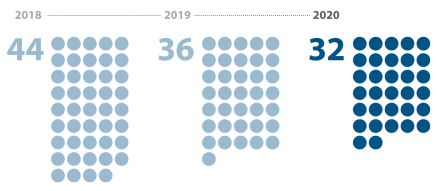
When comparing the 2018-2020 strategic period with the previous one, we can observe a significant increase in the number of reports published each year. On average, over the last three years, we issued 37 reports. This compares to 27 reports during the 2013-2017 period. Reviews, which have expanded our portfolio of publications, account for part of this increase.
Overall, during 2020, we issued 69 publications.

Media outreach
audit reports stable, but overall
decrease in media coverage
In 2020, we recorded some 32 000 online articles and social media posts related to our audit reports, other publications or the ECA in general (2019: 51 000; 2018: 44 000).
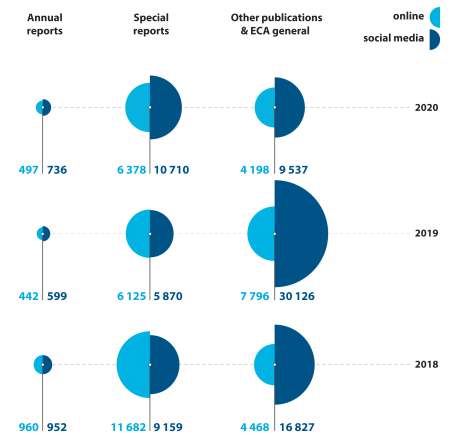
Media coverage can vary significantly depending on the subject and the complexity of a report. Additionally, external factors may strongly influence media interest in our publications. This may occur, in particular, when the date of publication of a report coincides with an important event or policy development, which greatly increases public interest in the topic. Moreover, in times of emergencies, such as the COVID-19 pandemic, media attention is particularly focused on anything dealing with the crisis.
Compared to previous years, the interest in our audit reports remained broadly stable. At the same time, there was a considerable decrease in media coverage for other publications and the ECA in general. In part, this can be attributed to our reduced communication activities on social media channels from mid-March 2020 onwards.
to be a success
In 2020, we issued 68 press releases in 23 EU languages, as well as information notes and media advisories in certain languages. We also gave a number of interviews with major media outlets throughout Europe. In addition, we held 22 press briefings, including country press briefings for the annual report. Almost all of them took place remotely, with a much higher and broader participation, in particular from media in Member States.
We also hosted virtual field visits for journalists based in Brussels and in Member States and several briefings for industry stakeholders, NGOs and think-tanks.
In 2020, the number of visits to our website exceeded 1 million. Overall, we had around 463 500 individual visitors.
Social media are indispensable communication channels and allow us to interact directly with citizens. During 2020, against the background of the COVID-19 crisis, we decided to reduce our engagement on social media; overall we posted 1 007 social media posts about the ECA and its work on our social media channels (2019: 1 836).
An essential content source for our social media posts remains the ECA Journal. In 2020, around a third of our posts (32 %) reproduced articles previously published in an ECA Journal (2019: 26 %).
media continued to increase
By the end of 2020, our three social media accounts (Twitter, LinkedIn, Facebook) had attracted around 35 000 followers (2019: around 29 500).

to previous strategic period
Overall, in recent years, the increase in media coverage of our reports, other publications and the ECA in general has been significant: 42 300 online articles and social media posts on average each year during the 2018-2020 strategic period compared with 7 300 mentions during the 2013-2017 period; in other words there has been a fivefold increase.
Impact and perception of our work
find our reports useful for their work
We assess the likely impact and usefulness of our work, as perceived by the readers of our reports at the European Parliament, Council, Commission, EU agencies, Member States´ permanent representations, Member States’ agencies and SAIs, NGOs, academia, media and other parties.
Since 2018, we have carried out anonymised electronic surveys to ask readers of our reports to provide feedback on a selected number of them. In these surveys, they can give qualitative feedback on reports, and make general suggestions for our work.
In 2020, 84 % of the more than 550 respondents considered our reports useful for their work, and 75 % felt that they had an impact. This is similar to last year’s result (2019: 88 % and 81 %, respectively).

Follow-up to our recommendations
recommendations implemented
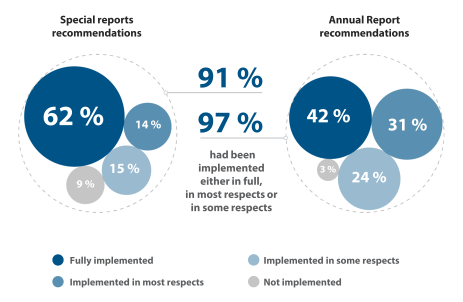
We measure the implementation of our recommendations on the basis of the follow‐up carried out by our auditors. For 2020, we analysed the recommendations made in our 2016 reports.
The analysis showed that 97 % of the 29 recommendations we made in our 2016 annual report and 91 % of the 360 recommendations in our 2016 special reports had been implemented either in full, in most or (at least) in some respects.
Our staff
Staff allocation
At the end of 2020, as in previous years, there were 853 permanent and temporary posts in our institution. 535 of these posts were in audit chambers, including 114 posts in Members’ offices.
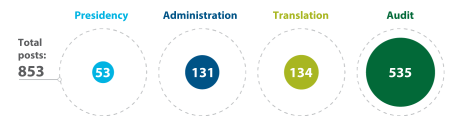
In addition, we had 83 contract staff and 15 seconded national experts working for us at year-end (2019: 75 and 16 respectively).
Recruitment
Our recruitment policy follows the general principles and employment conditions of the EU institutions, and our staff have a broad range of academic and professional backgrounds.
In 2020, we recruited 62 new employees (2019: 77 employees): 18 officials, 21 temporary staff, 20 contract staff and three seconded national experts.
Our ASPIRE programme for auditors was introduced in 2017 and is designed to help the professional integration of newcomers, allowing them to acquire on-the-job experience in different audit tasks as well as taking part in targeted training activities during their first three years.
We also provided 44 internships (2019: 55) for university graduates for a period of three to five months. As from mid-March 2020 our interns also worked remotely.
Age profile
Three quarters (76 %) of our staff in active service at the end of 2020 were aged 40 to 59, a slight increase compared to 2019 (2019: 74 %).

Four fifths (80 %) of our directors and principal managers are aged 50 or over. This will lead to a renewal of management over the next five to 10 years as they retire.
Equal opportunities
Overall, we employ equal proportions of women and men in our workforce.


We are committed to provide equal career opportunities for our staff at all levels of the organisation. We employ the same proportion of women and men, around a third of our directors and principal managers were female in 2020.
During the 2018-2020 strategic period, we have succeeded in increasing the share of female principal managers in audit from 21 % to 29 %. In order to further enlarge the share of women in management positions, we have set ourselves a target of 40 % by 2027. We are also working on a new equal opportunities action plan
Similarly, we remain committed to geographical balance in our management.





Our accountability
Financial information
Our institution is financed by the EU budget under the administrative expenditure heading.
In 2020, our budget amounted to around €152 million.
Our budget represents around 1.5 % of the EU’s total administrative spending (or less than 0.1 % of total EU spending).
Implementation of the 2020 budget
| 2020 FINANCIAL YEAR | Final appropriations | Commitments | % use (commitment/ appropriations) | Payments |
| Title 1: People working with the institution | (thousand euros) | |||
| 10 - Members of the institution | 11 151 | 10 189 | 91 % | 10 171 |
| 12 - Officials and temporary staff | 110 784 | 109 159 | 98 % | 109 159 |
| 14 - Other staff and external services | 7 403 | 6 794 | 92 % | 6 538 |
| 162 - Missions | 2 840 | 680 | 24 % | 571 |
| 161 + 163 + 165 - Other expenditure relating to persons working for the institution | 3 202 | 3 136 | 98 % | 2 020 |
| Subtotal Title 1 | 135 380 | 129 958 | 96 % | 128 459 |
| Title 2:Buildings, movable property, equipment and miscellaneous operating expenditure | ||||
| 20 - Immovable property | 3 366 | 3 359 | 99 % | 1 543 |
| 210 - IT&T | 10 093 | 10 093 | 100 % | 5 561 |
| 212 + 214 + 216 - Movable property and associated costs | 896 | 745 | 83 % | 544 |
| 23 - Current administrative expenditure | 499 | 221 | 44 % | 207 |
| 25 - Meetings, conferences | 596 | 142 | 24 % | 87 |
| 27 - Information and publishing | 1 407 | 1 180 | 84 % | 732 |
| Subtotal Title 2 | 16 857 | 15 740 | 93 % | 8 674 |
| Total Court of Auditors | 152 237 | 145 698 | 96 % | 137 133 |
Budget for 2021
The 2021 budget represents an increase of 0.98 % on 2020.
| 2020 FINANCIAL YEAR | 2021 | 2020 |
| Title 1: People working with the institution | (thousand euros) | |
| 10 - Members of the institution | 10 704 | 11 751 |
| 12 - Officials and temporary staff | 114 120 | 111 860 |
| 14 - Other staff and external services | 7 861 | 7 403 |
| 162 - Missions | 2 988 | 3 370 |
| 161 + 163 + 165 - Other expenditure relating to persons working for the institution | 2 613 | 2 945 |
| Subtotal Title 1 | 138 286 | 137 329 |
| Title 2: Buildings, movable property, equipment and miscellaneous operating expenditure | ||
| 20 - Immovable property | 3 358 | 3 255 |
| 210 - IT&T | 8 171 | 7 718 |
| 212 + 214 + 216 - Movable property and associated costs | 901 | 963 |
| 23 - Current administrative expenditure | 565 | 563 |
| 25 - Meetings, conferences | 696 | 696 |
| 27 - Information and publishing | 1 745 | 2 613 |
| Subtotal Title 2 | 15 436 | 15 808 |
| Total Court of Auditors | 153 722 | 153 137 |
Internal and external audit
Internal audit
Our Internal Audit Service (IAS) advises the institution on how to manage risks. It provides independent, objective assurance and consulting services designed to add value to and improve our institution’s operations. The IAS reports to the Internal Audit Committee, which is composed of three ECA Members and an external expert. The Committee regularly monitors the progress of the various tasks set out in the IAS’s annual work programme, and ensures its independence.
In 2020, the IAS continued to review the ECA’s risk management policy and issued reports for three tasks: ‘Implementation of the Service Level Agreement with the Paymaster Office’, ‘Professional training activities’ and ‘Audit of the building/facilities contract management model’. The IAS also finalised the main audit work for three other tasks, ‘Equal Opportunities’, ‘Fraud management’ and ‘Business continuity and staff protection measures under the COVID-19 crisis’, for which reports will be issued in 2021.
Overall, the work of the IAS did not reveal any shortcomings, which, by their nature or magnitude, would call into question the overall reliability of the internal control systems put in place by the authorising officer by delegation to ensure the legality and regularity of our financial operations in 2020.
External audit
Our annual accounts are audited by an independent external auditor. This is important, as it shows we apply the same principles of transparency and accountability to ourselves as we do to our auditees.
Our external auditor – PricewaterhouseCoopers Sàrl – published its report on our accounts for the 2019 financial year on 24 April 2020.
Our external auditor’s opinions — 2019 financial year
Regarding our financial statements:
‘In our opinion, the financial statements give a true and fair view of the financial position of the European Court of Auditors – ECA as at 31 December 2019, and of the results of its operations, its cash flows and the changes in net assets for the year ended in accordance with Regulation (EU, Euratom) No 966/2012 of the European Parliament and of the Council of 25 October 2012 on the financial rules applicable to the general budget of the Union and repealing Council Regulation (EC, Euratom) No 1605/2002 (OJ L 298, 26.10.2012, p. 1), and its subsequent amendments hereinafter referred to as “the Financial Regulation”; and Commission Delegated Regulation (EU) No 1268/2012 of 29 October 2012 (OJ L 362, 31.12.2012, p. 1) laying down detailed rules of application of this Financial Regulation and its subsequent amendments.’
Regarding our use of resources and control procedures:
‘Based on our work described in this report, nothing has come to our attention that causes us to believe that in all material respects and based on the criteria described above:
- The resources assigned to the Court have not been used for their intended purposes;
- The control procedures in place do not provide the necessary guarantees to ensure the compliance of financial operations with the applicable rules and regulations.’
Contact
EUROPEAN COURT OF AUDITORS
12, rue Alcide De Gasperi
1615 Luxembourg
LUXEMBOURG
Tel. +352 4398-1
Enquiries: eca.europa.eu/en/Pages/ContactForm.aspx
Website: eca.europa.eu
Twitter: @EUAuditors
More information on the European Union is available on the internet (http://europa.eu).
Luxembourg: Publications Office of the European Union, 2021
| ISBN 978-92-847-5663-6 | ISSN 2315-3938 | doi:10.2865/884518 | QJ-AA-21-001-EN-N | |
| HTML | ISBN 978-92-847-3580-8 | ISSN 2315-3938 | doi:10.2865/36683 | QJ-AA-21-001-EN-Q |
| ISBN 978-92-847-5688-9 | ISSN 1684-0739 | doi:10.2865/98152 | QJ-AA-21-001-EN-C |
COPYRIGHT
© European Union, 2021.
The reuse policy of the European Court of Auditors (ECA) is implemented by Decision of the European Court of Auditors No 6-2019 on the open data policy and the reuse of documents.
Unless otherwise indicated (e.g. in individual copyright notices), the ECA’s content owned by the EU is licensed under the Creative Commons Attribution 4.0 International (CC BY 4.0) licence. This means that reuse is allowed, provided appropriate credit is given and changes are indicated. The reuser must not distort the original meaning or message of the documents. The ECA shall not be liable for any consequences of reuse.
You are required to clear additional rights if a specific content depicts identifiable private individuals, e.g. in pictures of the ECA’s staff or includes third-party works. Where permission is obtained, such permission shall cancel and replace the above-mentioned general permission and shall clearly indicate any restrictions on use.
To use or reproduce content that is not owned by the EU, you may need to seek permission directly from the copyright holders.
For the following pictures, reuse is authorised provided the copyright holder, the source and, where mentioned, the names of the photographers/architects are indicated:
P. 6, © European Union, 2021, source: ECA.
P. 16 (middle), © European Union 2020 / Claudio Centonze.
P. 16 (right), © European Union 2021 / Jennifer Jacquemart.
P. 17 (bottom), from left to right:
© European Union 2020 / Xavier Lejeune.
© European Union 2020 / Josep Lago.
© European Union 2020 / Matthieu Rondel.
P. 18 (middle), © European Union 2020 / Aurore Martignoni.
P. 18 (right), © European Union 2021 / fotografixx.
P. 25, © European Union 2003 / Jock Fistick.
P. 26, © European Union, 2019, source: ECA.
P. 32 (left), © European Union 2020 / Aristophane Ngargoune.
P. 32 (right), © European Union 2020 / Peter Biro.
P. 36, © European Union 2020 EP / Emilie Gomez.
P. 37, © European Union, 2020, source: ECA.
P. 38 (top and bottom), © European Union, 2020, source: ECA.
P. 41 © European Union, 2020, source: ECA.
P. 42, © European Union, 2020, source: ECA.
P. 45, © European Union, 2020, source: ECA.
P. 47 (top), © European Union, 2020, source: ECA.
P. 50, © European Union, 2020, source: ECA.
P. 68, © European Union, 2020, source: ECA.
P. 70, © European Union, 2021, source: ECA. Architects of the buildings: Paul Noël (1988) P. and Jim Clemes (2004 & 2013).
P. 72, © European Union, 2020, source: ECA.
P. 73, © European Union, 2020, source: ECA.
To use or reproduce content that is not owned by the EU, permission has to be sought directly from the copyright holders:
P. 11 (left), © Shutterstock / Pla2na.
P. 11 (right), © Getty Images / Xavier Lejeune.
P. 16 (left), © Getty Images / ilbusca.
P. 17 (top), from left to right:
© Getty Images / Erikona.
© Getty Images / Gorodenkoff Productions OU.
© Getty Images / fizkes.
P. 18 (left), © Getty Images / sturti.
P. 21, © Shutterstock / photka.
P. 22, © Shutterstock / Oleksiy Rezin.
P. 23, © Shutterstock / Billy Miaron.
P. 24, © Shutterstock / sundaemorning.
Software or documents covered by industrial property rights, such as patents, trade marks, registered designs, logos and names, are excluded from the ECA’s reuse policy and are not licensed to you.
The European Union’s family of institutional Web Sites, within the europa.eu domain, provides links to third-party sites. Since the ECA has no control over them, you are encouraged to review their privacy and copyright policies.
Use of European Court of Auditors’ logo
The European Court of Auditors logo must not be used without the European Court of Auditors’ prior consent.
This publication is available in 23 languages and in the following format:
 |
GETTING IN TOUCH WITH THE EU
In person
All over the European Union there are hundreds of
Europe Direct Information Centres. You can find the address of the centre nearest
you at: https://europa.eu/european-union/contact_en
On the phone or by e-mailEurope Direct is a service that your questions about the European Union. You can contact this service
- by freephone: 00 800 6 7 8 9 10 11 (certain operators may charge for these calls),
- at the following standard number: +32 22999696 or
- by electronic mail via: https://europa.eu/european-union/contact_en
FINDING INFORMATION ABOUT THE EU
Online
Information about the European Union in all the official
languages of the EU is available on the Europa website at: https://europa.eu/european-union/index_en
EU Publications
You can download or order free and priced EU
publications at: https://op.europa.eu/en/web/general-publications/publications. Multiple
copies of free publications may be obtained by contacting Europe Direct or your
local information centre (see https://europa.eu/european-union/contact_en)
EU law and related documents
For access to legal information
from the EU, including all EU law since 1952 in all the official language versions,
go to EUR-Lex at: http://eur-lex.europa.eu/homepage.html?locale=en
Open data from the EU
The EU Open Data Portal (https://data.europa.eu/euodp/en/home) provides access to datasets from the
EU. Data can be downloaded and reused for free, both for commercial and
non-commercial purposes.