 Special Report
The Bêkou EU trust fund for the Central African Republic: a hopeful beginning despite some shortcomings
About the report: The Bêkou EU trust fund for the Central African Republic, the first managed by the European Commission, was launched in 2014, to aid one of the world’s least developed countries. We assessed the justification of the fund’s establishment, its management and the achievement of its objectives so far. Despite some shortcomings, we conclude that the choice to set up the fund was appropriate in the given circumstances. Its management has not yet reached its full potential in three respects: coordination amongst stakeholders, transparency, speed and cost-effectiveness of procedures, and monitoring and evaluation mechanisms. But it has, overall, had positive achievements to date. Our recommendations should help improve the design and management of this and other EU trust funds.
 |
Executive summary
IA trust fund is a fund established for a specific development purpose with financial contributions from one or more donors, often set up in response to crises such as natural disasters or conflicts. Since 2013, the European Commission has had the option of setting up ‘Union trust funds for external actions’ for emergency, post-emergency or thematic actions.
IIThe Bêkou EU trust fund for the Central African Republic, the first EU trust fund managed by the European Commission, was launched in July 2014. Its donors are the European Union, France, Germany, the Netherlands, Italy and Switzerland, who have provided a total of 146 million euro to support the country’s exit from crisis and its reconstruction.
IIIFor many decades, the Central African Republic has experienced poor governance, high poverty and conflict. The CAR is one of the world’s least developed and poorest countries ranking last on the UNDP’s Human Development Index in 2016.
IVThis audit concerned the European Commission’s first experience with its own trust fund. We assessed whether its establishment had been justified, how well it was being managed and whether it was achieving its objectives so far.
VWe conclude that although there was neither a formally structured assessment of the choice of funding vehicle nor a comprehensive needs analysis, both the choice to set up the Bêkou trust fund, and its design, were appropriate in the given circumstances.
VIThe management of the Bêkou trust fund has not yet reached its full potential, in three respects: the Bêkou trust fund has had limited influence on coordination amongst stakeholders; procedures could be more transparent, rapid and cost-effective; also, monitoring and evaluation mechanisms remain to be fully developed.
VIIThe Bêkou trust fund has, overall, had positive achievements to date. It has attracted aid, but few additional donors, and most of its projects have delivered their expected outputs. The fund provides enhanced visibility to the EU.
VIIIWe make a number of recommendations to help the Commission improve the design and management of the Bêkou trust fund in the future, and of EU trust funds more generally. We recommend that the Commission, should:
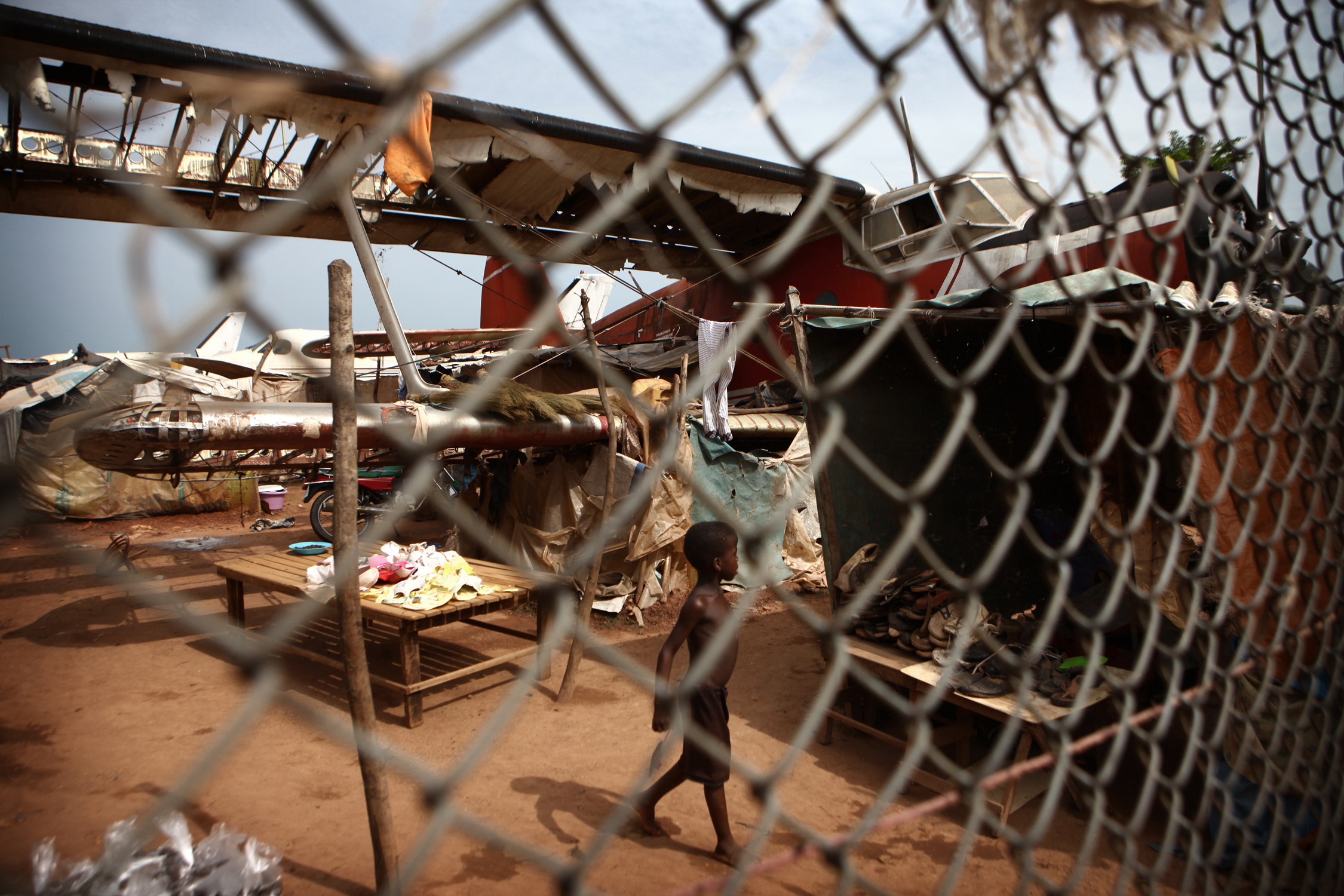
- develop further guidance for the choice of aid vehicle and for needs analyses to define the intervention scopes of trust funds,
- improve donor coordination, selection procedures and performance measurement, and optimise administrative costs.
Introduction
EU trust funds: a new tool for development aid
01A trust fund is a fund established for a specific development purpose with financial contributions from one or more donors and is generally administered by an international organisation such as the World Bank or the United Nations. Popular since the 1990s, trust funds have increasingly been used as a financing vehicle for international cooperation. These are often set up in response to crises such as natural disasters or conflicts.
02Since 2013, it has been possible to set up ‘Union trust funds for external actions’ for emergency, post-emergency or thematic actions, through an agreement concluded between the European Commission and other donors1. A board chaired by the Commission is established for each trust fund to provide representation for both donors and non-contributing Member States and to decide on how to use the funds.
03The Bêkou2 EU trust fund for the Central African Republic (CAR) was launched in July 2014 to support the country’s exit from the crisis and its reconstruction. It is the first of four trust funds managed to date by the European Commission3. The four initial donors were the European Union (EU), France, Germany and the Netherlands, while Italy and Switzerland became partners in 2015. Pledges to the Bêkou trust fund totalled 146 million euro by the end of 2016, about three quarters of which originate from the EU budget and the European Development Fund. 86 million euro had been actually received by the end of 2016.
04Its main objective, as set out in the Constitutive Agreement, is ‘to provide consistent, targeted aid for the resilience of vulnerable groups and support for all aspects of the Central African Republic’s exit from the crisis and reconstruction, to coordinate actions over the short, medium and long term and to help neighbouring countries cope with the consequences of the crisis’4.
The Central African Republic: a country in crisis
05The CAR is one of the world’s least developed and poorest countries, ranking last on the UNDP’s Human Development Index in 2016. This is despite its significant mineral deposits and other resources, such as uranium reserves, crude oil, gold, diamonds, cobalt, timber and hydroelectric power. Its population of 4.5 million is spread over a vast territory of 623 000 km2 (approximately the size of France and Belgium combined). Since gaining independence in 1960, the CAR has experienced conflict, poor governance, high poverty and inequality, and lack of investment from the private sector. The situation facing most people in the CAR now is precarious, with more than half of the population in need of humanitarian aid. Approximately 450 000 people are internally displaced and a similar number have fled to neighbouring countries.
06A transition government was put in place from 2014 to early 2016, following a cycle of violence that ousted the previous government. In March 2016, a new President and government took office following democratic elections. In October 2016, the CAR authorities and donors published a five-year national recovery and peacebuilding plan.
07Until 2014, the CAR had been considered an ‘aid orphan’5, due to the limited support it received from the international donor community. Then, aid to the country increased significantly. However, the ongoing conflicts mean that the population remains in dire need of humanitarian aid6.
08The EU has been a partner of the CAR for over thirty years and still remains one of the country’s main development partners. Between 2013 and 2016, the EU contributed more than 500 million euro to assist the country7. The EU has adopted a ‘comprehensive approach’8, providing assistance through the Bêkou trust fund, traditional development aid, three military Common Security and Defence Policy missions and operations, civilian crisis response and humanitarian aid.
09The United Nations (UN) agencies and France are also significantly involved in the CAR. Annex II lists seven UN trust funds that operate in the CAR. A variety of other partners, such as the African Development Bank, the World Bank and other EU countries, also give aid to the country.
Audit scope and approach
10This performance audit examined the European Commission’s first experience with using its own trust fund as an aid vehicle. We assessed whether the establishment of the fund had been justified, how well it was being managed and whether it had achieved its objectives to date.
11The audit focused on the fund from its inception in 2014 to the end of 2016. We examined all of its eleven projects and their 31 respective contracts financed (see Annex I). We analysed various documents on the establishment of the fund and the design of projects, the procedures for selecting implementing organisations and the monitoring and evaluation of projects (intermediate reports and external evaluation reports). We also carried out on-the-spot visits to the CAR and to the headquarters of three of the donors to the fund. These allowed us to hold interviews with various stakeholders and to visit three projects.
Observations
Although based on limited analysis, both the choice to set up the Bêkou trust fund and its design were appropriate in the given circumstances
12This section gives a brief overview of the country context at the time the Bêkou trust fund was created and then analyses the fund’s design from two perspectives: the choice of a trust fund as the funding vehicle and the Bêkou trust fund’s intervention scope.
The Bêkou trust fund was a rapid response to a difficult country context
13The situation in the Central African Republic in 2014 was marked by the aftermath of a major political and security crisis that escalated in 2012. This caused a humanitarian crisis and an economic recession, both at unprecedented levels. In December 2013, the United Nations declared a so-called level 3 emergency9 crisis for the country. The situation was characterised by a ‘contiguum’10 of humanitarian and development challenges and fragile state authorities that were unable to meet the population’s needs.
© French Red Cross.
This context also caused significant constraints in delivering EU aid: the absence of a democratically elected government at the time meant that the Commission could not adopt a national indicative programme (NIP)11 for the aid provided in the CAR’s national allocation for the 11th European Development Fund (EDF).
15The creation of the Bêkou trust fund for the CAR was therefore a rapid response to the need for a coordinated instrument to link relief, rehabilitation and development. The rationale for choosing such an aid instrument was discussed both at a political and a technical level within the European Commission, with a wide range of donors and with the CAR’s transition government throughout the first half of 2014. These discussions led to a consensus in particular on the need for a different means of delivering aid, integrating humanitarian and development approaches and going beyond the coordination of aid towards a pooling of resources. This common analysis formed the basis for the creation of the Bêkou trust fund.
16The fund was created in a very short time frame, with initial discussions starting in early 2014 and its Constitutive Agreement being signed by the Commission, France, Germany and the Netherlands in July 2014.
The Commission did not prepare a formally structured analysis of the choice of funding vehicle
17The Financial Regulation sets out a number of conditions that must be satisfied in order to establish an EU trust fund: (i) added value to the Union intervention, i.e. the trust fund’s objectives can be better met at EU than at national level, (ii) political visibility and managerial advantages, (iii) trust funds should not be created if they merely duplicate other existing funding channels or similar instruments without providing any additionality.
18EU commitments made at the High Level Fora on Aid Effectiveness (see Box 1) and DG DEVCO guidelines on EU trust funds suggest that trust funds should not become a standard implementing tool.
Box 1
The High Level Fora on Aid Effectiveness call for self-restraint with regard to creating new aid channels
The continuous effort to modernise aid delivery has been marked by four events: the High Level Fora on Aid Effectiveness in Rome (2003), Paris (2005), Accra (2008) and Busan (2011). These events, involving more than 100 countries to date, have led to the formulation of principles for effective aid.
One commitment made after the 2008 forum in Accra was that ‘donors will ensure that existing channels for aid delivery are used and, if necessary, strengthened before creating separate new channels that risk further fragmentation and complicate co-ordination at country level’12. A roundtable invited donors ‘to ‘think twice’ before establishing new funds, applying a clear test of value-added’13. At the 2011 Busan forum, the EU reconfirmed the Accra commitment to self-restraint with regard to avoiding further proliferation of funds14.
Both the United Nations and the World Bank have established procedures for justifying the choice of a trust fund as an aid vehicle. For instance, the UN’s Multi-Partner Trust Fund Office, which assists the UN in administering pooled financing mechanisms, has published manuals that provide guidance on setting up trust funds. They recommend conducting a pre-feasibility study and analysing the functions and added value of such a fund15.
20The Commission has currently only reiterated the Financial Regulation requirements in the available guidelines. It has not yet developed a way of applying these in order to quickly carry out a structured assessment of the comparative advantages of trust funds relative to other tools. While the Commission did organise a range of discussions (see paragraph 15), there was no formally structured analysis, based on the requirements laid down in the Financial Regulation, prior to the setting up of the Bêkou trust fund.
There was no comprehensive needs analysis to demonstrate which gaps the Bêkou trust fund should fill
21Needs analyses are an important step in designing the intervention scope of development aid, since these help to identify needs and prioritise aid. They also help to make sure that a new funding vehicle does not duplicate existing instruments, and can serve as a basis for designing aid that lends itself to a division of labour with other donors.
22Whilst various internal Commission documents prepared prior to the setting up of the Bêkou trust fund acknowledged that the CAR was in need of assistance, the needs analysis was incomplete. This is because it lacked the following: an assessment of the overall needs of the CAR, a stock-take of the needs addressed by existing aid instruments and, hence, an analysis of the aid delivery gaps to be covered, an assessment of the financial resources needed and a prioritisation of aid.
23The main objective of the Bêkou trust fund, as set out in the Constitutive Agreement, is ‘to provide consistent, targeted aid for the resilience of vulnerable groups and support for all aspects of the Central African Republic’s exit from the crisis and reconstruction, to coordinate actions over the short, medium and long term and to help neighbouring countries cope with the consequences of the crisis’16. This is formulated in broad terms. A comprehensive needs analysis could have served as a basis for formulating objectives in greater detail (see also paragraph 50). Also, it could have shown more clearly how and why the fund’s activities are relevant to the objective, and which specific gaps the fund fills.
24At a strategic level, the Commission has ensured that the Bêkou trust fund does not duplicate other existing funding channels. From 2014 to 2016, the EDF’s national allocation for the CAR financed a limited number of activities, which concentrated on areas other than those covered by the Bêkou trust fund, such as education or national health policies17. Although at least seven UN trust funds operate in the CAR, six have a thematic scope that is clearly different to the Bêkou trust fund. The only exception is the Ezingo UN multi-partner trust fund, which also focuses on the CAR’s stabilisation and recovery. However, this fund differs significantly from the Bêkou trust fund in terms of its aid volume / level of activity, the type of projects financed and its aid recipients18.
25At project level, the Bêkou trust fund addressed similar needs to earlier EU support. Indeed, certain projects provide continuity with projects previously financed by other EU aid instruments (see Box 2). However, they have introduced a different approach and additional resilience-building activities. Some of the other projects are innovative and different from types previously financed in the CAR. An example is the economic recovery project, which provides microfinance to small local businesses.
Box 2
Examples of Bêkou trust fund projects that address similar needs to projects also financed by EU aid
Some Bêkou trust fund projects have taken over activities supported by other EU aid instruments. Examples are listed below:
- Two DG ECHO projects with NGOs in the health sector were succeeded by Bêkou trust fund projects with the same NGOs. These two NGOs supported 25 local health centres to help them deliver better primary health services. DG ECHO, UNICEF and the UN Humanitarian Fund also gave aid to one of these NGOs for activities in the health sector.
- In 2014, the EU’s Instrument contributing to Stability and Peace financed labour intensive work (travaux à haute intensité de main d’oeuvre) in the 3rd and 5th districts of Bangui, similar to the Bêkou trust fund’s urban rehabilitation project. This approach involves hiring locals to undertake basic urban rehabilitation activities. The aim is to restore infrastructure while at the same time generating revenue for the most vulnerable groups.
- A food security project was instigated under the 10th EDF in 2014 but subsequently cancelled. It was to finance the Food and Agriculture Organisation of the United Nations to run community resilience-building (caisses de resilience) programmes, promote intercommunity dialogue around nomadic pasture routes and improve food security in the areas surrounding Bangui, similar to the Bêkou trust fund’s food security project. Five contracts signed with this organisation and with NGOs under the EU’s Development Cooperation Instrument since 2014 concerned similar activities (support for cattle raisers, intercommunity dialogue, food resilience).
- One Bêkou trust fund project aimed at protecting animal ecosystems in the North-East and South-East of the CAR. It had been preceded by a project under the 10th EDF that had carried out similar activities in the North-East of the country.
The donor community and developing countries have described partnership between donors as important in the contexts of fragility and crisis19. Before the publication of the national recovery and peacebuilding plan in October 2016, there was no shared strategic framework amongst donors to the CAR. Ongoing initiatives on the basis of this national recovery plan could lead to the definition of a clearer division of labour in the course of 2017 (see Box 3).
Box 3
The national recovery and peacebuilding plan 2017-2021: a basis for a future division of labour
A new national strategy for the CAR, the so-called national recovery and peacebuilding plan 2017-2021, was drawn up by the CAR government with support from the EU, the United Nations, and the World Bank Group, and published in October 2016. It proposes three priority pillars: (i) promote peace, security, and reconciliation; (ii) renew the social contract between the state and the population; (iii) facilitate economic and productive sector recovery20. The plan is broken down into eleven strategic objectives, with total needs estimated at 3.2 billion US dollar21.
The Bêkou trust fund will potentially fund actions in all three pillars of the national recovery and peacebuilding plan. As already stated in paragraph 14, when the fund was created, EDF aid was hampered by the absence of a national indicative programme (NIP) for the CAR. DG DEVCO is in the process of drawing up an NIP under the 11th EDF. The total amount is 382 million euro, 208 million euro being new funds. The NIP may also include interventions under all three pillars. A portion of the NIP funds will be transferred to the Bêkou trust fund. In total, 31 donors to the CAR intend to fund at least one pillar of the national recovery and peacebuilding plan. As at March 2017, the division of labour between the Bêkou trust fund, other EU instruments and other donors for the implementation of this plan had not been determined in detail.
The management of the Bêkou trust fund has not yet reached its full potential
28We examined the management of the Bêkou trust fund from three perspectives: coordination with other donors and CAR authorities; transparency and speed of its procedures and the cost-effectiveness of delivering aid; and its monitoring and evaluation mechanisms.
The Bêkou trust fund had limited influence on coordination amongst stakeholders
29Experience has shown that, in emergency and post-emergency situations, the international community’s response can become disorganised and fragmented due to the weakness of local administrations combined with a sudden increase in the number of donors. This hinders an effective and sustainable contribution to the reconstruction of a country. EU trust funds have been specifically designed for such situations. A trust fund can provide an appropriate solution, since it is expected to act collectively on behalf of the EU and its donors22.
30Given the multiplicity of donors and operators in the CAR, coordination is important. Trust funds can also be a useful platform for improving coordination with projects financed independently of the fund. This applies mainly to coordination amongst donors to the fund but also, potentially, to coordination on a wider scale with other donors. The Bêkou trust fund was expected to be a coordination mechanism that will enable the international community to contribute in a coordinated manner to the stabilisation of the CAR23. The intention was for the Bêkou trust fund to ‘move beyond coordination between Member States and put in place a real joint organisation’24, with ideas such as the pooling both of resources and of the capacity to analyse, identify and implement projects, joint missions, a specific unit with staff to coordinate donors and liaise with partners, or common thematic working groups.
31There is little evidence that the creation of the Bêkou trust fund helped to consolidate donor activity in the CAR along the lines described in paragraph 29, either immediately after its creation or in the intervening period (see Box 4). Donor activity outside the fund has remained at a similar level since 2014 or even increased in some cases (see also paragraphs 55 to 61 for the involvement of other donors). The fund management identified the fragmentation of aid instruments and actors in the CAR as a major challenge.
Box 4
Some donors have increased their activity outside the fund since 2014
Germany is increasing its bilateral activity in the CAR. In 2016, the Federal Ministry for Economic Cooperation and Development selected the CAR as one of its bilateral partner countries. The German development bank Kreditanstalt für Wiederaufbau recently started a project in the health sector worth 11 million euro.
In October 2016, Italy opened its own development cooperation office in Bangui.
DG DEVCO will resume EDF aid on the basis of an NIP.
Beyond the Bêkou trust fund’s donors, the World Bank is also planning to set up its own trust fund for the CAR.
Coordination mechanisms for development aid in the CAR were not functioning by the end of 2016. The humanitarian clusters, led by UN organisations and international NGOs, are dedicated to humanitarian aid. The CAR’s transition government had created relevant coordination structures for development aid in 2014, but these never came into operation. The CAR authorities and the donor community are in the process of setting up an institutional framework for implementing development aid under the national recovery and peacebuilding plan adopted in October 201625. This framework will include an aid coordination mechanism which will assign a decision-making role to the Ezingo UN trust fund and a possible future World Bank trust fund, and only a consultative role to the Bêkou trust fund.
33The Bêkou trust fund does not have defined procedures for ensuring the systematic coordination of its projects with those of other donors to the fund. The fund created coordination mechanisms in the form of its own governance structures (the trust fund board and the operational committee). Even though one of the committee’s roles is to adopt projects, it did not facilitate discussions on coordination with other projects financed by the donors to the Bêkou trust fund. Programming documents are not systematically prepared using a full overview of other projects in the same field.
34Even without formal mechanisms, the representative of the Bêkou trust fund in Bangui did, by way of good practice, ensure some coordination on a project-by-project basis (see Box 5). However, there is room for the Bêkou trust fund to provide more systematic coordination, both internally amongst its donors and, potentially, externally within the international community.
Box 5
Three good-practice examples of donor coordination of projects
Synergies were created between the Bêkou trust fund project on economic recovery and two projects financed by the development agency of an EU Member State. Even though there was little coordination at the project design stage, coordination did take place after the project launch in 2016. Several meetings were organised between the agency, the representative of the Bêkou trust fund in Bangui, and the implementing organisations, to discuss ways to create synergies between the three projects.
In October 2016, the representative of the Bêkou trust fund in Bangui brought together donors and the CAR authorities in a workshop on food security. Based on this workshop, the Bêkou trust fund team launched a call for expressions of interest, which took into account the outcome of these discussions.
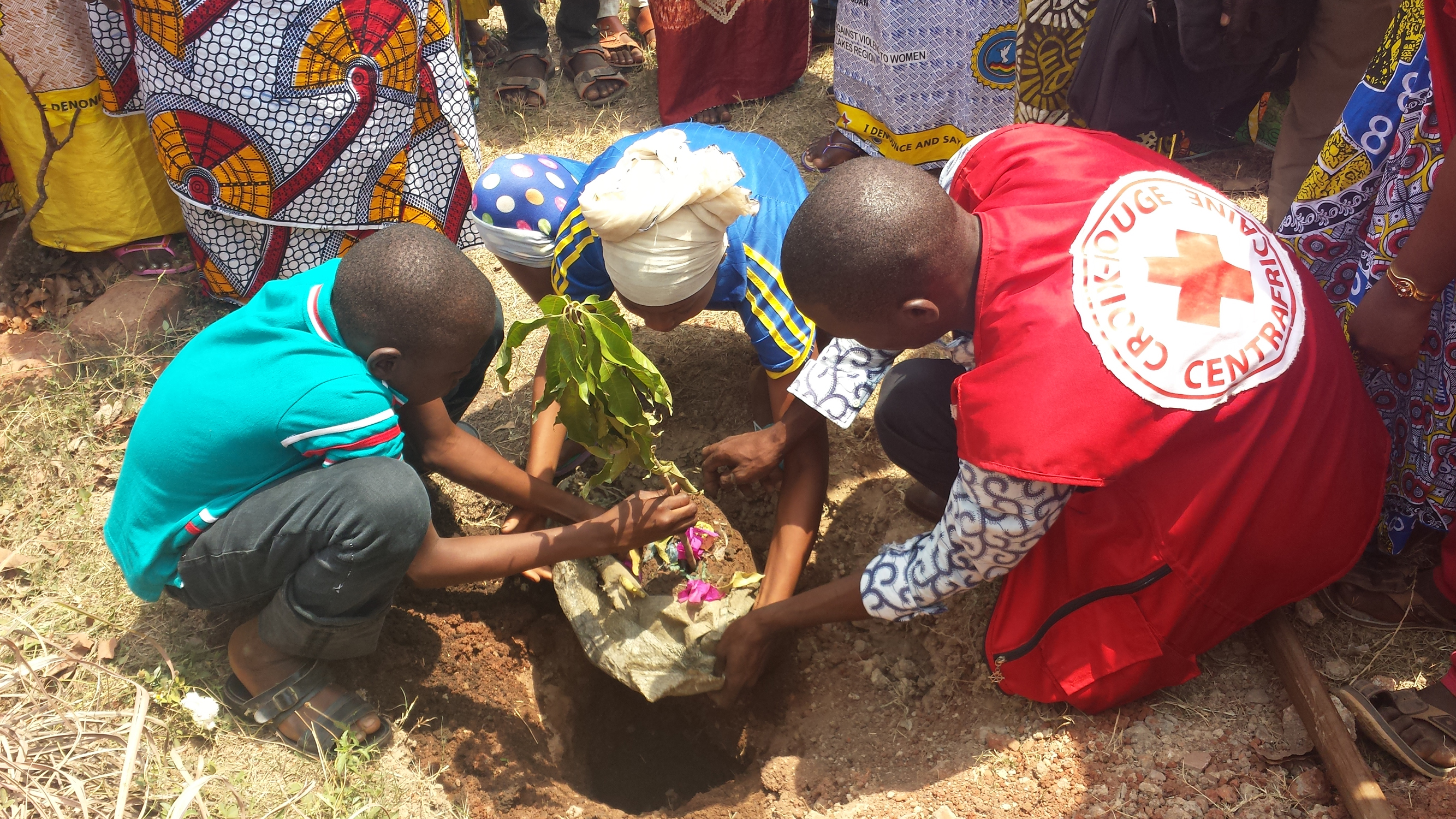
Technical assistance was financed under the health project to coordinate through monthly meetings the six NGOs operating in health facilities across the CAR. Although not initially intended, this coordination has at times extended beyond the Bêkou trust fund’s operators, which has helped monitor potential cases of duplication with other donors. It has also resulted in NGOs harmonising their working methods.
© French Red Cross.
There is some evidence that the Bêkou trust fund acts in coordination with the CAR authorities (see Box 5 for an example). The CAR government envisages expanding its role in the future management of the fund, by making a more systematic contribution to the design, implementation and monitoring of its projects.
Procedures could be more transparent, rapid and cost-effective
36The Financial Regulation26 stipulates that trust funds should be implemented in accordance with the principle of transparency. The Constitutive Agreement provides for the use of flexible procedures to ensure that the Bêkou trust fund is responsive and that aid can be organised quickly. The Financial Regulation also stipulates that a maximum of 5 % of the amounts pooled into a trust fund can be used to cover its management costs. We assessed the transparency and speed of selection procedures and the cost-effectiveness of the Bêkou trust fund compared to other aid channels.
Transparency of selection procedures
37The procedures applied by the Bêkou trust fund in selecting implementing organisations for projects have not been formalised in the guidelines on EU trust funds. The procedures followed were based on those prescribed in ‘Procurement and Grants for European Union External Actions – A Practical Guide’ (PRAG)27, with some additional exceptions.
38Apart from a limited number of service contracts, the Bêkou trust fund has used three different methods for selecting organisations to implement projects: four delegated cooperation agreements, ten direct awards and twelve awards following a restricted call for expressions of interest28. Definitions of each, and their corresponding advantages and disadvantages, can be found in Table 1.
| Type | Delegated cooperation agreements | Direct Awards | Awards following a Bêkou trust fund restricted call for expressions of interest |
|---|---|---|---|
| Definition | Where the Commission entrusts the management of funds to a delegated body from a Member State (or another third-country donor). | Where an organisation is chosen without resorting to competition. | Where a pre-selected number of organisations are asked to prepare a proposal. |
| Advantages |
|
|
|
| Disadvantages |
|
|
|
Source: PRAG.
39The actual selection procedures to be applied by the Bêkou trust fund and the extent to which flexibility was permitted in relation to PRAG have not been defined. Consequently, it was not fully transparent how the implementing organisations were chosen.
40The use of delegated cooperation agreements is mentioned in Article 10 of the Constitutive Agreement, which states that these ’shall be the preferred option wherever it will offer an appropriate response in terms of the cost, effectiveness and European visibility of the Fund-financed actions’. However, while the organisations selected were experts in the fields in question, no justifications for the use of these organisations were prepared, in particular at the time of their approval. Furthermore, potential conflicts of interest arise due to the presence of some of these organisations on the fund’s operational committee, where projects and, in these instances, implementing organisations are selected29.
41Five of the direct awards were second phases of earlier work. The others were awarded following reviews of the organisations already present in the CAR and their respective capabilities. This is understandable given the difficult conditions on the ground at the time these awards were made. However, we identified one case in particular where, because there was more than one organisation capable of carrying out the work, a more competitive procedure could have been applied30.
42A tailored selection procedure was applied for each of the restricted calls for expressions of interest, taking some elements from PRAG but applying various more flexible procedures at different stages. As a result, it is not evident how the implementing organisations were selected.
Speed of selection procedures
43The flexibility provisions applicable to the Bêkou trust fund could provide opportunities to save time compared to the more traditional approaches applied in the Commission. The structure and decision-making process applied, together with the relatively short time the fund has been in existence, limits the scope for any meaningful comparison with the procedures in place for other EU aid. Nevertheless, we identified some instances where time could have been saved in selecting implementing organisations.
44One example where the Bêkou trust fund could have saved additional time during the selection procedure was when discussing project content with organisations. For all three types of procedure used, the length and number of discussions held could have been reduced. In 14 of the 26 awards, project content was discussed for more than 100 days. The average time taken was 148 days, the longest being 50331 days and the shortest 1832. While the discussions following the restricted calls for expression of interest took an average of only 50 days, those for delegated cooperation agreements and direct awards averaged 197 and 245 days respectively. Had discussions been carried out in a different way, the agreements could have been finalised sooner. For example, some issues were returned to by different Commission staff, resulting in a high volume of exchanges between both parties. Increased liaison between Commission staff prior to these exchanges could have shortened these discussions.
45In five cases, as a result of the extensive discussions, it was actually necessary to approve expenditure retroactively33. This negatively impacted the implementation of these projects in their early stages, since the absence of a signed agreement entailed legal uncertainties for the implementing organisations.
Cost-effectiveness of delivering the aid
46UN organisations, the World Bank and the African Development Bank all levy different fees for managing trust funds. None provide for a percentage lower than the 5 % as prescribed for the Bêkou trust fund34. For other EU external aid under the EDF and the general budget, overall rates above 5 % are also charged.
47The management fees for the Bêkou trust fund exclude the salary for the Manager and back-office costs. This means that the total costs incurred for the fund’s management are higher than those reported in the fund’s accounts. The full costs for managing the Bêkou trust fund have not been calculated. These issues have been confirmed by an internal Commission audit.
48As is the case for all development aid, the total cost of delivering aid is more than just the management fee. In addition to the Bêkou trust fund’s fee, contracted international organisations and NGOs charge their own administrative fees. This is generally a percentage of the contract value, set at a maximum of 7 %. However, they can further delegate tasks in the contract implementation to other organisations, thus adding additional layers of administrative costs. Delegated cooperation agreements, in particular, are a costly solution, as they automatically create an additional layer of management costs (see Table 1 above). The benefits of using this type of funding should always be weighed against the additional costs.
49Article 3.8 of the Constitutive Agreement envisages that all Bêkou trust fund staff will ultimately be based in Bangui. Currently, only one representative of the fund is based in Bangui, whereas seven staff members were Brussels-based in 2016. The number of expatriates based at the EU delegation is limited due to the current security situation. As the situation in the CAR improves, this number is expected to increase. There is as yet no calculation to determine whether a complete transfer of staff to the CAR can be achieved within the 5 % cap (see paragraph 36)35.
Monitoring and evaluation mechanisms remain to be fully developed
50Monitoring and evaluation mechanisms are important in order to be able to assess the fund’s performance and adopt corrective measures when needed. Given that the Bêkou trust fund was the first EU trust fund managed by the European Commission, it can provide valuable lessons for the future use of this type of aid vehicle.
51The Bêkou trust fund has no framework to measure its performance at fund level, since it has not drawn up a comprehensive results chain for its overall objective, spelling out expected results (outputs, outcomes, impact), with corresponding indicators36. For instance, whereas the Constitutive Agreement and other documents give an indication of what might be expected of it (strengthen resilience, improve coordination, deliver aid more quickly, mobilise a critical mass of financing, provide political visibility), these elements have not been developed into SMART objectives37.
52By the end of 2016, there was no systematic process in place to identify lessons learnt through the Bêkou trust fund experience that could help the Commission to improve its design and management of trust funds. However, several actions have been undertaken that are relevant to such an exercise. Such actions include publishing various articles on the Bêkou trust fund, organising conferences, workshops and meetings, in particular with representatives of the EU trust funds, and giving presentations.
53At project level, objectives, results and activities are defined. However, two out of eleven projects do not have indicators, and for eight projects, indicators are vague or do not have targets. Similar issues were found at contract level: some objectives are only partially SMART, and indicators are sometimes unclear or lack corresponding targets (see Annex III for details).
Despite difficult circumstances, the Bêkou trust fund has, overall, had positive achievements to date
54We examined the fund’s achievements from three perspectives: the aid it has attracted, the outputs produced by its projects and the visibility it has generated for the EU. These are some of the expected advantages of the Bêkou trust fund.
The Bêkou trust fund has attracted aid, but few additional donors
55The Bêkou trust fund was expected to encourage new donors to provide aid for the CAR and to raise additional aid. Originally considered an ‘aid orphan’, total aid for the CAR hovered around 250 million US dollar per year in the period leading up to the 2012/2013 crisis (see Figure 1). This aid peaked at 610 million US dollar in 201438.
Figure 1
Total aid for the CAR, 2006-2015 (in million US dollar)

Source: Organisation for Economic Co-operation and Development (OECD) data set, aid (ODA) disbursements to countries and regions [DAC2a] for 2006–2015, available at www.oecd.org/dac/stats/idsonline.
The development aid needed to implement the national recovery and peacebuilding plan amounts to approximately 3.2 billion US dollar over five years (2017-2021). At the November 2016 donor conference, donors pledged over 2 billion US dollar in development aid to the CAR, thus covering a substantial part of these needs.
57The Bêkou trust fund has attracted aid, with total pledges amounting to 146 million euro by the end of 2016 (see Figure 2). This is more than the Ezingo UN trust fund, which had attracted 25 million euro (see Annex II) and comparable to the bilateral allocation under the 11th EDF, which is expected to be 208 million euro39.
Figure 2
Pledges to the Bêkou trust fund

Source: Data provided by the European Commission.
Three quarters of the fund’s resources originate from the EU budget and the EDF. More than one third of this contribution is additional aid for the CAR on top of what had previously been pledged to the country under other EU funding channels.
59France, Germany, Italy, the Netherlands and Switzerland already gave aid to the CAR before the Bêkou trust fund was established, but before 2014 these amounts were comparatively low. From 2014 onwards, aid was given through the fund as well as other aid channels (see Box 4 for more details on the activity of donors in the CAR).
60The European Parliament has twice invited Member States to increase their contributions to the Bêkou trust fund. In 2016, during the discharge of the 2014 EDF budget, it called ‘for Member States to become more involved in order to ensure that this fund becomes fully operational’40.
61Some Member States continue to support UN trust funds, as they had done prior to the Bêkou trust fund (see Annex II). The UN Humanitarian Fund for the CAR has eleven donors, including Belgium, Denmark, Germany, Ireland, Luxembourg, the Netherlands, Sweden, Switzerland, and the United Kingdom. France and the Netherlands also donate to the Ezingo UN trust fund.
Most projects have delivered their expected outputs in a difficult context
62The implementation of 20 out of 31 contracts relating to the eleven projects was at a sufficiently advanced stage for us to at least partially assess performance. While our assessment was subject to some limitations41, we consider that most projects have delivered their expected outputs.
63Three contracts (two studies and a technical assistance contract) have fully delivered their expected outputs. For eleven contracts, most outputs have been realised (see Box 6 for an example). Six ongoing contracts had not yet realised their outputs by the end of 2016, and there is a risk that these may not be achieved by the end of the project (see paragraph 65 for details). Annex III gives a more detailed assessment for each contract.
Box 6
Example of outputs: the health project
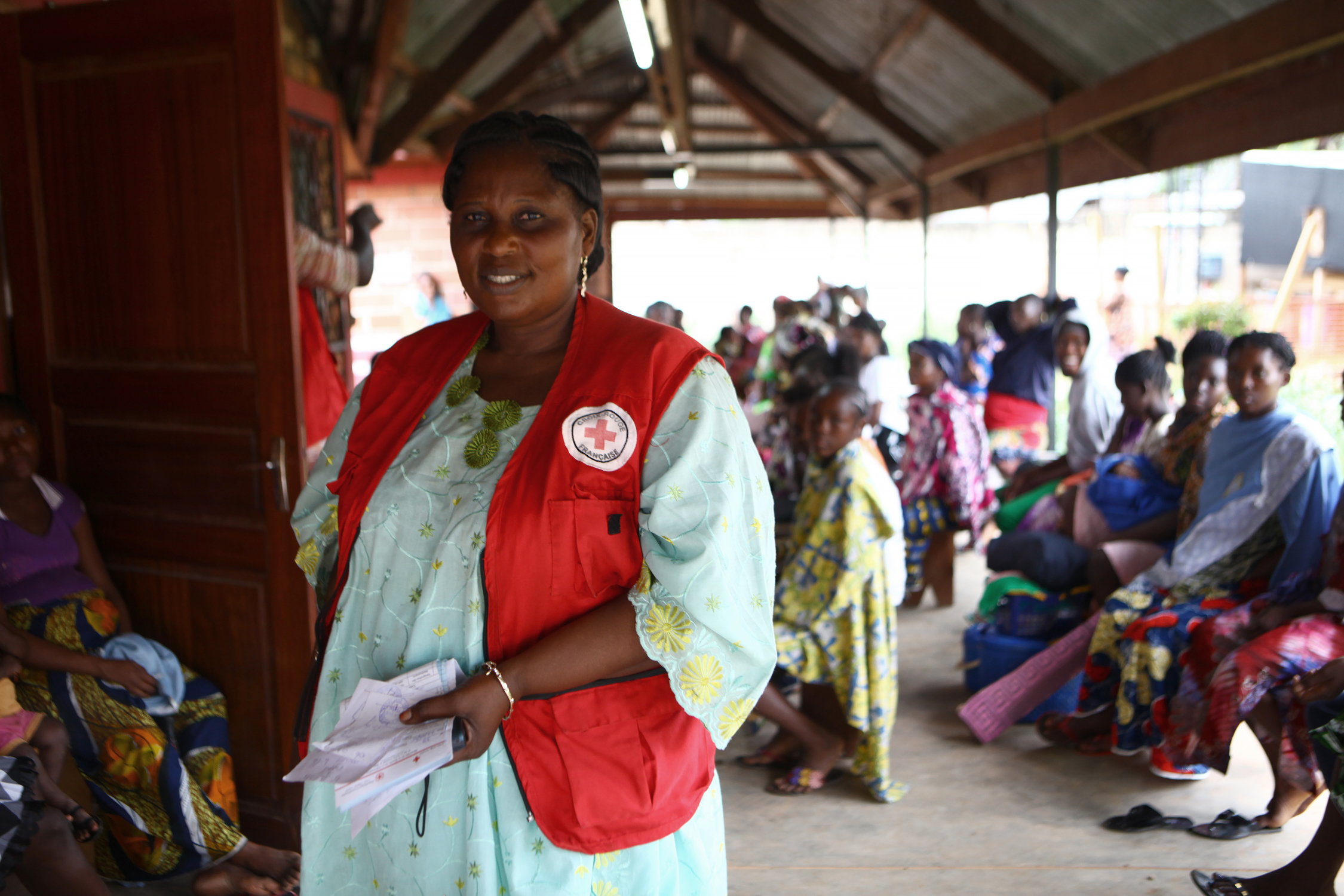
Six NGOs received aid from the Bêkou trust fund so they could help 80 health facilities across the CAR provide better primary health services to the local population.
This aid resulted in around 2 million medical consultations. The NGOs exceeded the set targets on a number of indicators, such as the number of consultations, the number of assisted deliveries and the number of women visited. Health care, medicines and laboratory tests were provided in these facilities free of charge for children, pregnant and lactating women, and in life-threatening emergencies.
The planned activities at health facility level, such as renovation, staff training, supply of essential medicines and laboratory equipment, district coordination and surveillance activities were being carried out on time or with minimal delays. For example, in Bria six of the eight health facilities were renovated, and seven health facilities were renovated and equipped in Vakaga.
© French Red Cross.
A wide array of both internal and external factors contributed to the cases where objectives were not fulfilled, the most important being the challenging security context in which projects took place (see Annex III).
65While many tangible outputs have been attained, results with more fundamental long-term effects typically take more time to achieve. For example, in the food security project, the livestock vaccination campaigns were successful, whereas the prevention of conflict and redrawing of nomadic pasture routes may need to be continued throughout a potential second phase. In the health project, while the first phase of the six NGOs’ provision of health services was successful, and while a study on the reform of the national pharmaceutics purchase agency was produced as planned, the actions to reform the public health services need more time.

© French Red Cross.
The fund provides enhanced visibility to the EU
66The Bêkou trust fund was expected to provide visibility to the EU, both through actions undertaken at project level and in the form of political visibility at fund level.
67The project partners undertook many activities on the spot. These included producing promotional materials, documentaries and academic articles, and organising national workshops on the results of activities, ceremonies and training sessions, radio broadcasts, visits by journalists etc., in line with their visibility plans.
68More than 30 visibility activities were undertaken for the fund as a whole for an amount of approximately 191 000 euro. The Bêkou trust fund’s 2015 annual activity report includes a section dedicated to visibility activities and presents the main communication objectives, general public events, projects, the ‘capacity4dev’ website42 and communication material.
69Several conferences were organised that provided visibility for the EU (see Box 7 for examples). Delegations from over 80 countries from all over the world were present at a conference in November 2016 in Brussels, together with high-level representatives from the United Nations, the World Bank and others. This conference resulted in pledges of 2 billion euro.
Box 7
The Bêkou trust fund organised several events
The Bêkou trust fund team organised a series of workshops, conferences, publications, and press releases, both in Bangui and in Brussels, which were well covered by the media.
For example, the workshop ‘Resilience and Recovery, Path to Development’ (Bangui, June 2016) attracted more than 200 participants from national authorities, civil society organisations, donors, UN agencies, international NGOs and the media, and provided an overview of the situation in CAR, the challenges it poses and the population’s needs. The workshop gave rise to twelve recommendations addressed to the CAR government, to project partners and to donors in the country.
Another example was the high-level international conference on the CAR (Brussels, May 2015), with more than 300 participants including the CAR’s President, Ministers, MEPs, United Nations representatives and NGOs. This resulted in new financial pledges for the country and two new donors for the Bêkou trust fund, Italy and Switzerland.
Conclusions and recommendations
70The Bêkou trust fund was created in a difficult country context, marked by humanitarian and development challenges and fragile state authorities that were unable to meet the population’s needs. While we believe that the fund’s design and management could be improved along the lines suggested below in order to help it reach its full potential, we recognise that the establishment of the fund was appropriate and that it has had some positive achievements.
The establishment of the Bêkou trust fund
71The Bêkou trust fund was created in a very short time frame. While the Financial Regulation imposes certain conditions on the creation of a trust fund, the Commission has not yet translated these into an analytical framework that would enable it to carry out a formally structured assessment of the comparative advantages of trust funds relative to other funding vehicles (see paragraphs 13 to 20).
72The intervention scope of the Bêkou trust fund was not based on a comprehensive needs analysis. Such an analysis could have shown more clearly how and why the fund’s activities are relevant to its objective, and which specific gaps it fills (see paragraphs 21 to 27).
Recommendation 1 – Develop further guidance for the choice of aid vehicle, and for needs analyses to define the intervention scopes of trust funds
The Commission should refine its guidelines on EU trust funds by
- developing an analytical framework with guiding principles for carrying out a concise and structured assessment of the comparative advantages of trust funds relative to other aid vehicles;
- introducing methods for carrying out needs analyses to demonstrate that the intervention scope of an intended trust fund is appropriate, and to show which specific gaps it fills.
This guidance should be devised so as to not unnecessarily lengthen the process of creating trust funds or to limit their flexibility.
Timeframe: October 2018
The management of the Bêkou trust fund
73The Bêkou trust fund had limited influence on coordination amongst stakeholders, both internally amongst its donors and externally with the international community. Even without formal mechanisms, however, the Bêkou trust fund representative in Bangui did, by way of good practice, ensure some coordination on a project-by-project basis (see paragraphs 29 to 35).
74The absence of details on the actual selection procedures applicable for the Bêkou trust fund means that it is not fully transparent how the implementing organisations were selected. Potential conflicts of interest arose in relation to delegated cooperation agreements. Additional time could have been saved in discussing project content (see paragraphs 36 to 44).
75Overall, the 5 % management fee charged by the Bêkou trust fund is in line with other development aid channels, but the full management costs have not yet been calculated. Furthermore, as is the case for all development aid, total cost of delivering aid is more than just the fund’s management fee (see paragraphs 46 to 49). We believe that it is important that the full costs of using the trust fund vehicle are known, so that the Commission can in the future assess whether it is a cost-effective instrument, compared to other ways of channelling EU aid.
76At fund level, the Bêkou trust fund has no framework to measure its performance, since its specific objectives with corresponding indicators have not yet been developed. This makes it difficult to monitor the fund and evaluate its achievements. The Commission does not yet have a systematic process to identify lessons learnt through the Bêkou trust fund that could help it to improve its design and management of trust funds (see paragraphs 50 to 53).
Recommendation 2 – Improve donor coordination, selection procedures and performance measurement, and optimise administrative costs
The Commission should
- coordinate aid provided through the Bêkou trust fund more systematically with other bilateral aid provided by its donors;
- ensure that when applying the Commission’s rules and procedures to select implementing organisations, any exception made to those rules is clearly reported and that provisions on how to avoid conflicts of interest are introduced, and explore ways of increasing the speed of selection procedures, in particular at the project content discussion phase;
- calculate the full management costs of the Bêkou trust fund and find ways to maximise the amount of aid that goes to the final beneficiaries;
- set SMART objectives for the Bêkou trust fund with corresponding indicators, in order to be able to monitor and demonstrate the advantages it delivers, and introduce a lessons-learnt process into its guidelines on EU trust funds.
Timeframe: October 2018
The achievements of the Bêkou trust fund
77The Bêkou trust fund has attracted aid, with total pledges amounting to 146 million euro to date. However, most of the funds originate from the EU budget and the European Development Fund. The other donors had all given aid to the CAR before the fund was established, but before 2014 these amounts were comparatively low (see paragraphs 55 to 61).
78At project level, despite an often challenging security context, 14 contracts out of 20 delivered all or most of their expected outputs (see paragraphs 62 to 65).
79The fund provides enhanced visibility to the EU. The project partners undertook visibility activities on the spot, and over 30 activities were successfully undertaken for the fund as a whole (see paragraphs 66 to 69).
This Report was adopted by Chamber III, headed by Mr Karel PINXTEN, Member of the Court of Auditors, in Luxembourg at its meeting of 20 June 2017.
For the Court of Auditors

Klaus-Heiner LEHNE
President
Annexes
Annex I
List of projects and contracts

Annex II
List of seven UN trust funds operating in the CAR

Sources: http://mptf.undp.org, www.unocha.org/cerf from 16 March 2017
Annex III
Traffic lights annex for project outputs

Legend: green – fully achieved, yellow – mostly achieved; orange – mostly not achieved (yet); red – not achieved; grey – not assessed, implementation not sufficiently advanced.
Details: Contract 2: duration extended by 1.5 months; Contract 3: duration extended by one month; Contract 5: EU contribution increased from 1.7 to 2.2 million euro; Contract 8: EU contribution increased from 47 000 to 53 000 euro and duration extended by 5 months; Contract 18: duration extended by eight months.
Acronyms and abbreviations
CAR: Central African Republic
DG ECHO: Directorate-General for European Civil Protection and Humanitarian Aid Operations
DG DEVCO: Directorate-General for International Cooperation and Development
EDF: European Development Fund
FAO: Food and Agriculture Organization of the United Nations
MEP: Member of the European Parliament
IMF: International Monetary Fund
NGO: Non-Governmental Organisation
NIP: National Indicative Programme
OECD: Organisation for Economic Co-operation and Development
PRAG: Procurement and Grants for European Union External Actions – A Practical Guide
SMART: specific, measurable, achievable, relevant and timed
UN: United Nations
UNDP: United Nations Development Programme
UNICEF: United Nations Children’s Fund
Endnotes
1 Article 187 of the Financial Regulation (Regulation (EU, Euratom) No 966/2012 of the European Parliament and of the Council of 25 October 2012 on the financial rules applicable to the general budget of the Union and repealing Council Regulation (EC, Euratom) No 1605/2002 (OJ L 298, 26.10.2012, p. 1)) provides the legal framework for setting up Union trust funds for external actions.
2 Bêkou means ‘hope’ in the Sango language.
3 The other funds are: (a) the Madad trust fund established in December 2014 in response to the Syrian crisis; (b) the Emergency trust fund for migration in Africa launched in 2015; and (c) the Colombia trust fund established in 2016 to support the post-conflict process.
4 Agreement establishing the European Union trust fund for the Central African Republic, ‘The Bêkou EU trust fund’, Article 2 – Objectives of the trust fund.
5 Providers of development co-operation decide individually which countries to assist and to what extent. This can result in imbalances which can impair the effectiveness of aid through aid fragmentation as well as an accumulation of providers in some countries – so called ‘darlings’ – and gaps in aid provision in others – commonly known as ‘orphans’. (http://www.oecd.org/dac/aid-architecture/fragmentation-orphans.htm)
6 As at March 2017, the UN humanitarian office reported that only 5 % of the 400 million US dollar in humanitarian aid needed for the CAR had been received, leading to half rations being distributed.
7 European Commission Fact Sheet: ‘The European Union’s comprehensive approach in the Central African Republic (2013–2016)’, Brussels, 11.11.2016.
8 The Treaty of Lisbon calls for consistency between the different areas of EU external action and its other policies. Following the entry into force of the Treaty and the new institutional context it created, the EU has – by drawing on its full range of instruments and resources – increased both its potential and its ambition to make its external action more consistent, effective and strategic (JOIN(2013) 30 final of 11.12.2013 ‘The EU’s comprehensive approach to external conflict and crises’).
9 This is the global humanitarian system’s classification for the response to the most severe, large-scale humanitarian crises.
10 Aid was initially conceived as a linear sequence or ‘continuum’: rehabilitation would follow the relief phase, to be subsequently succeeded by classic development co-operation. However, experience from the 1990s demonstrated that treating relief, rehabilitation and development as separate, consecutive processes failed to respond to the complexity of many crisis situations. Treating them instead as a ‘contiguum’ (i.e. as concurrent interconnected processes) recognises that these situations may in fact require the simultaneous use of different instruments (see European Parliament policy briefing ‘Linking relief, rehabilitation and development: Towards more effective aid’, pp. 4-5).
11 National indicative programmes represent an important step in the programming of EU aid under the EDF. They define the strategy and priorities for EU aid and are prepared in close cooperation with the partner country. Therefore, the EU needs to have a national government as its counterpart in order to adopt an NIP. At the time, the CAR had a transition government in place which had not been legitimised by means of a democratic election.
12 Point 19 of the Accra Agenda for Action, 3rd High Level Forum on Aid Effectiveness, 2008.
13 Roundtable 9, Aid architecture, Summary, 3rd High Level Forum on Aid Effectiveness, 2008, p. 7.
14 EU Common Position for the Fourth High Level Forum on Aid Effectiveness, 2011, point 28, p. 6.
15 The manual lists six possible functions with their corresponding added value: coherence (filling gaps), consolidation (reduce fragmentation), specialised or thematic, risk management, strengthening national systems, and innovation. (MPTFO: Designing pooled funds for performance, A Manual prepared by the MPTFO, 2015; see in particular Table 2, p. vii, and Table 3, p. 6.)
16 Agreement establishing the European Union trust fund for the Central African Republic, ‘The Bêkou EU trust fund’, Article 2 – Objectives of the trust fund.
17 This differs from the Bêkou trust fund’s projects, which mainly provided assistance at the level of individual health facilities. National health policies are determined at the level of the Ministry of Health.
18 The Ezingo UN trust fund manages 25 million US dollar. It gives aid both to UN agencies and to state authorities in the form of budget support.
19 See in particular the OECD Principles for Good International Engagement in Fragile States and Situations, endorsed by ministers and heads of agencies at the Development Assistance Committee’s High Level Forum in 2007, which state that it is important to agree on practical coordination mechanisms between international actors, even in the absence of strong government leadership.
20 Central African Republic: National Recovery and Peacebuilding Plan 2017–2021 (RCPCA), authored by staff of the CAR, with support from the EU, the United Nations, and the World Bank Group, p. 26-41.
21 Ibid, Table 0.1, Annex 2.
22 Constitutive Agreement, recitals 4-6.
23 Constitutive Agreement, recitals 3, 5.
24 http://ec.europa.eu/europeaid/bekou-trust-fund-introduction_en
25 Central African Republic: National Recovery and Peacebuilding Plan 2017–2021, authored by staff of the CAR, with support from the EU, the United Nations, and the World Bank Group, Chapter V, figure 5.2, p. 45.
26 Article 187 of the Financial Regulation.
27 The Practical Guide explains the contracting procedures applicable to EU external actions financed from the EU general budget and the European Development Fund. The Practical Guide is used by the Commission Directorates-General and Services in charge of the instruments used to finance and implement external actions.
28 In total, we audited the selection procedures for 26 contracts. Three of the other five contracts were service-related (contracts 7, 8 and 29) and the other two were awards in the Health II programme (contracts 12 and 14), where the selection procedures were still ongoing at the end of 2016.
29 Conflicts of interest could arise as it is the operational committee that initially selects projects for funding: these projects can be awarded to organisations whose personnel sit on the operational committee.
30 This refers to contract 15.
31 This refers to contract 31.
32 This refers to contract 3.
33 Contracts 9, 10, 11, 13 and 30; it will also be necessary for contracts 12 and 14.
34 UN organisations are entitled to recover indirect programme support cost at a rate of 7 % of the amount pooled into a trust fund, plus an additional administrative fee of 1 %. The World Bank charges standard or customised fees, the standard fee being a minimum of 5 %. The African Development Bank currently charges a minimum 5 % fee.
35 The costs incurred in basing agents in a delegation are higher than the costs of the same in Brussels.
36 The Bêkou trust fund is financed by the EDF and various instruments of the EU budget (see Figure 2). The latter have monitoring, reporting and evaluation frameworks (so-called ‘MORE frameworks’), made up of general and specific objectives, indicators, milestones and targets. Reporting obligations include, in particular, the annual report to the European Parliament and the Council on the implementation of the EU’s instruments for financing external actions. Currently, the link between this results reporting and that of the Bêkou trust fund is limited.
37 According to Article 30 of the Financial Regulation, specific, measurable, achievable, relevant and timed (SMART) objectives must be set for all sectors of activity covered by the budget.
38 Three quarters of this was humanitarian aid, which aims to provide immediate emergency relief. Development aid has a more structural long-term objective.
39 The total amount of the NIP is 382 million euro, 208 million euro being new funds.
40 European Parliament ‘Report of 12.4.2016 on discharge of the budget of the EDFs, A8-0137/2016’, point 38. A 2015 resolution ‘Calls on the Member States, as well as other donors, to scale up their contributions to the (…) Bêkou Trust Fund’ (EP resolution of 8.10.2015, 2015/2874(RSP), point 23).
41 See paragraph 53 on the noted weaknesses in the definition of objectives and indicators. Our analysis for this chapter was mainly based on a desk review of the available evidence, since we could only visit three projects on the spot. We used evidence from three sources: external evaluation reports, intermediate reports prepared by the contractors and a monitoring table of contract indicators prepared by the Bêkou trust fund.
42 https://europa.eu/capacity4dev/
| Event | Date |
|---|---|
| Adoption of Audit Planning Memorandum (APM) / Start of audit | 4.10.2016 |
| Official sending of draft report to Commission (or other auditee) | 5.5.2017 |
| Adoption of the final report after the adversarial procedure | 20.6.2017 |
| Commission’s (or other auditee’s) official replies received in all languages | 12.7.2017 |
Audit team
The ECA’s special reports set out the results of its audits of EU policies and programmes or management topics related to specific budgetary areas. The ECA selects and designs these audit tasks for maximum impact by considering the risks to performance or compliance, the level of income or spending involved, forthcoming developments and political and public interest.
This performance audit was produced by Chamber III – headed by ECA Member Karel Pinxten – which is responsible for the audit of the external actions’ and security and justice spending areas. The audit was led by ECA Member Bettina Jakobsen, supported by Katja Mattfolk, head of private office; Kim Storup, private office attaché; Beatrix Lesiewicz, principal manager; Laura Gores, head of task. The audit team consisted of Nóirín O’Grady and Florin Alexandru Farcas.
Contact
EUROPEAN COURT OF AUDITORS
12, rue Alcide De Gasperi
1615 Luxembourg
LUXEMBOURG
The Bêkou EU trust fund for the Central African Republic: a hopeful beginning despite some shortcomings
(pursuant to Article 287(4), second subparagraph, TFEU)
More information on the European Union is available on the internet (http://europa.eu).
Luxembourg: Publications Office of the European Union, 2017
| ISBN 978-92-872-7851-7 | ISSN 1977-5679 | doi:10.2865/428927 | QJ-AB-17-011-EN-N | |
| HTML | ISBN 978-92-872-7846-3 | ISSN 1977-5679 | doi:10.2865/984226 | QJ-AB-17-011-EN-Q |
© European Union, 2017
For any use or reproduction of photos or other material that is not under the European Union copyright, permission must be sought directly from the copyright holders.
HOW TO OBTAIN EU PUBLICATIONS
Free publications:
- one copy:
- via EU Bookshop (http://bookshop.europa.eu);
- more than one copy or posters/maps:
- from the European Union’s representations (http://ec.europa.eu/represent_en.htm);
- from the delegations in non-EU countries (http://eeas.europa.eu/delegations/index_en.htm);
- by contacting the Europe Direct service (http://europa.eu/europedirect/index_en.htm) or
- calling 00 800 6 7 8 9 10 11 (freephone number from anywhere in the EU) (*).
Priced publications:
- via EU Bookshop (http://bookshop.europa.eu).