ProjectSyDAD
Training researchers to develop the next generation of dementia treatments
Synaptic Dysfunction in Alzheimer Disease (SyDAD)
“Thanks to SyDAD, the understanding of Alzheimer's Disease has significantly increased and put us one step closer to finding a cure for this devastating disease.” - Prof. Bengt Winblad, Dr. Susanne Frykman and Dr. Gunilla Johansson
Project impact
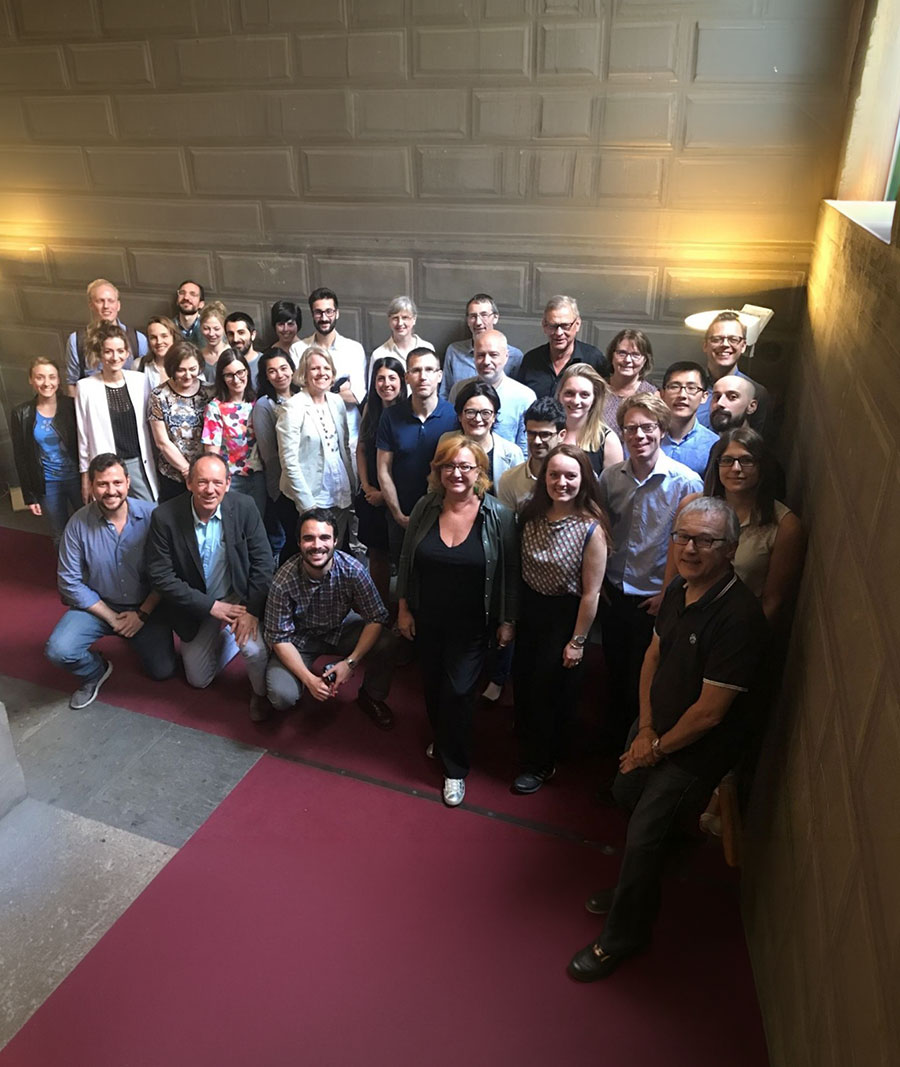
Over 9 million people are living with dementia in the EU, and the majority of those suffer from Alzheimer’s disease. To address this problem, the SyDAD project brought together academia and industry to train 15 early-career researchers so they could investigate how Alzheimer’s disease works at a molecular level. One of the key features of the early stages of the disease is that the junction between brain cells, known as the synapse, begins to falter, making it a good target for treatment. The researchers found that certain inflammatory molecules impair the function of the synapse, which can contribute to memory loss. This discovery could lead to new drugs that delay the onset of the disease. Another central role of the project was to train researchers at the beginning of their careers on the skills and tools needed to take Alzheimer’s disease research further, and give them experience in industry, ultimately aiming to bring new drugs to market.
-
Coordinator
Sweden
Karolinska Institutet
-
Participating and partners countries
- Belgium
- Janssen Pharmaceutica NV
- France
- Université de Bordeaux
- Germany
- Deutsches Zentrum für Neurodegenerative Erkrankungen e.V.
- Italy
- Università degli Studi di Milano
- Slovakia
- Axon Neuroscience SE
- Luxembourg
- Alzheimer Europe
- Sweden
- Göteborgs Universitet
- AstraZeneca AB
- AlzeCure Discovery AB
- Serendipity Innovations AB
- Belgium