ProjectRECOPHARMA
Innovative materials protect rivers from pharmaceutical pollution
Removal and Recovery of Pharmaceutical Persistent Pollutants from Wastewater by Selective Reagentless Process (RECOPHARMA)
“RECOPHARMA turned advanced lab science into a practical pilot solution, helping teams remove stubborn pharmaceutical residues from water and build capacity that stays in place after the project ends.” - Dr. Manuel Valiente
Project impact
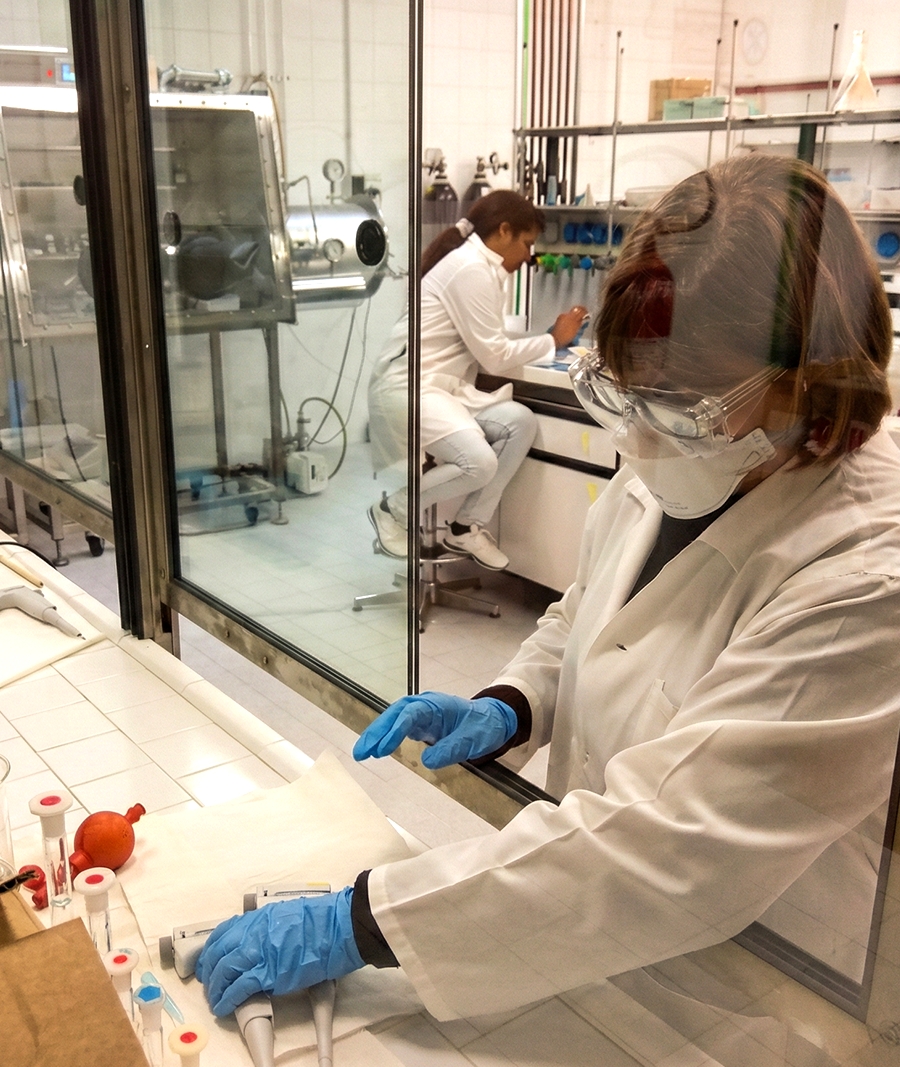
Modern medicines have saved countless lives in Europe, but when trace amounts of them end up in our rivers and streams, they run the risk of actually damaging our health. The RECOPHARMA project tackled this problem by designing materials that can capture hard-to-remove residues in water. For example, the researchers captured cytostatic compounds – used in cancer treatments to inhibit the division of cancer cells – by designing materials that these residues could attach to. When tested at one treatment plant, the newly designed material filtered 90 % of cytostatic traces from the water system. The researchers aimed to ensure that hospitals or pharmaceutical manufacturers are able to take their responsibility for removing contaminants from nearby water. Their technologies are designed to be adaptable so they can be used wherever they are needed. The project partners leveraged their global industry connections to share their expertise and technology across Europe and Cuba, enabling local teams to test them in real-world settings.
-
Coordinator
Spain
Universitat Autònoma de Barcelona
-
Participating and partners countries
- France
- Université de Pau et des Pays de l'Adour
- Italy
- Universita degli Studi di Udine
- Spain
- Aeris Tecnologias Ambientales SL
- Sweden
- Lunds Universitet
- United Kingdom
- Europe for Business Ltd
- Cuba
- Universidad de La Habana
- Centro de Investigación y Desarrollo de Medicamentos
- France